do keycaps affect sound? Discover the Secret to Deep Thock
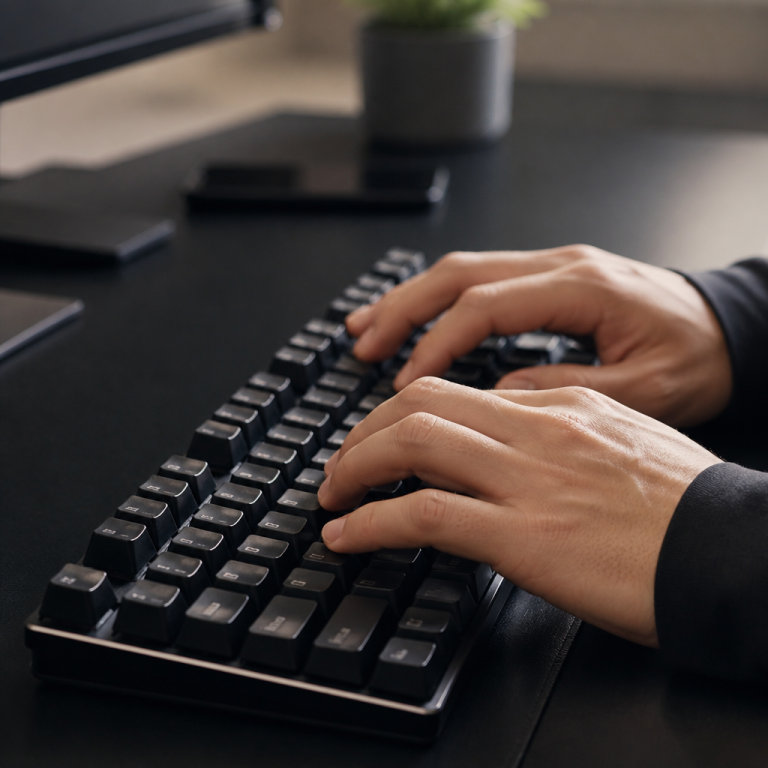
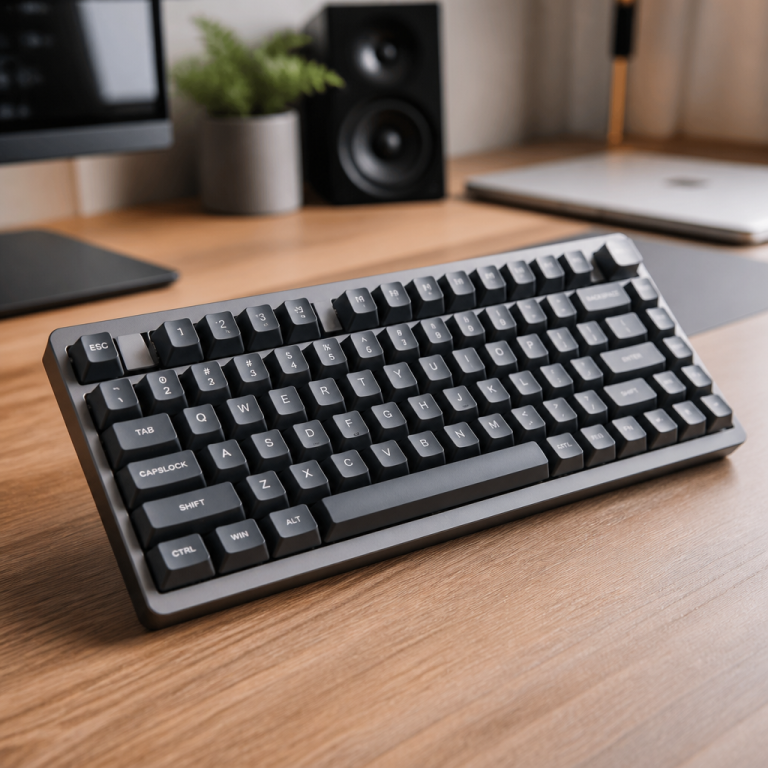
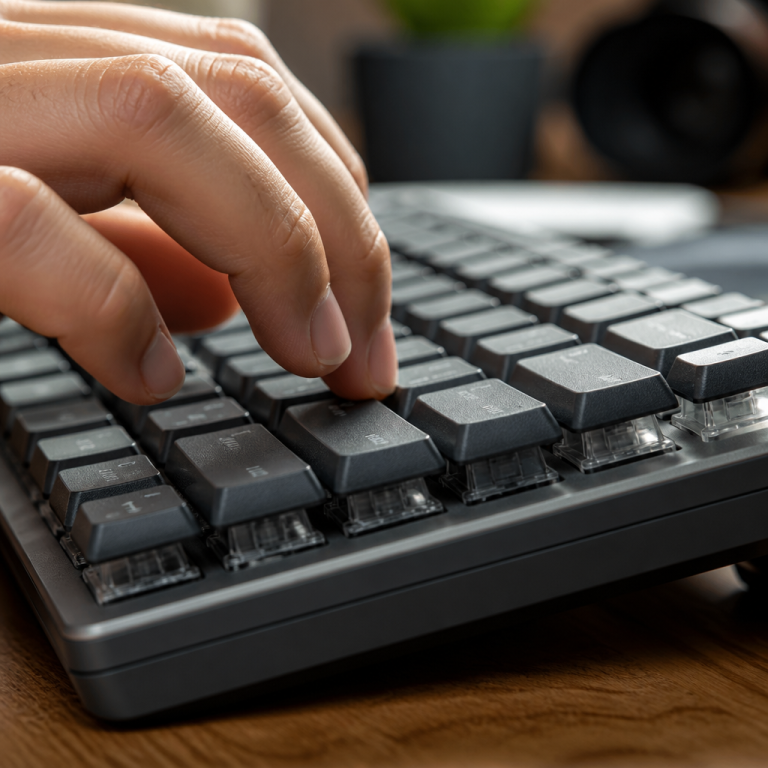
Many enthusiasts think keycaps are purely for aesthetics, but they are a crucial component that significantly influences a mechanical keyboard‘s sound. The difference between a hollow, clacky keyboard and one with a deep, satisfying “thock” can often come down to the keycaps alone. The material, thickness, and shape of your keycaps are not just for show; they are the primary point of contact during typing and directly affect the sound vibrations you hear.
Discover how these seemingly minor details directly shape your keyboard’s personality. This guide will break down exactly how keycap properties alter a keyboard’s acoustic profile, impact the overall typing experience, and how you can select the perfect set to achieve your desired sound.
How Keycap Properties Affect Sound
How do keycaps affect sound profile?
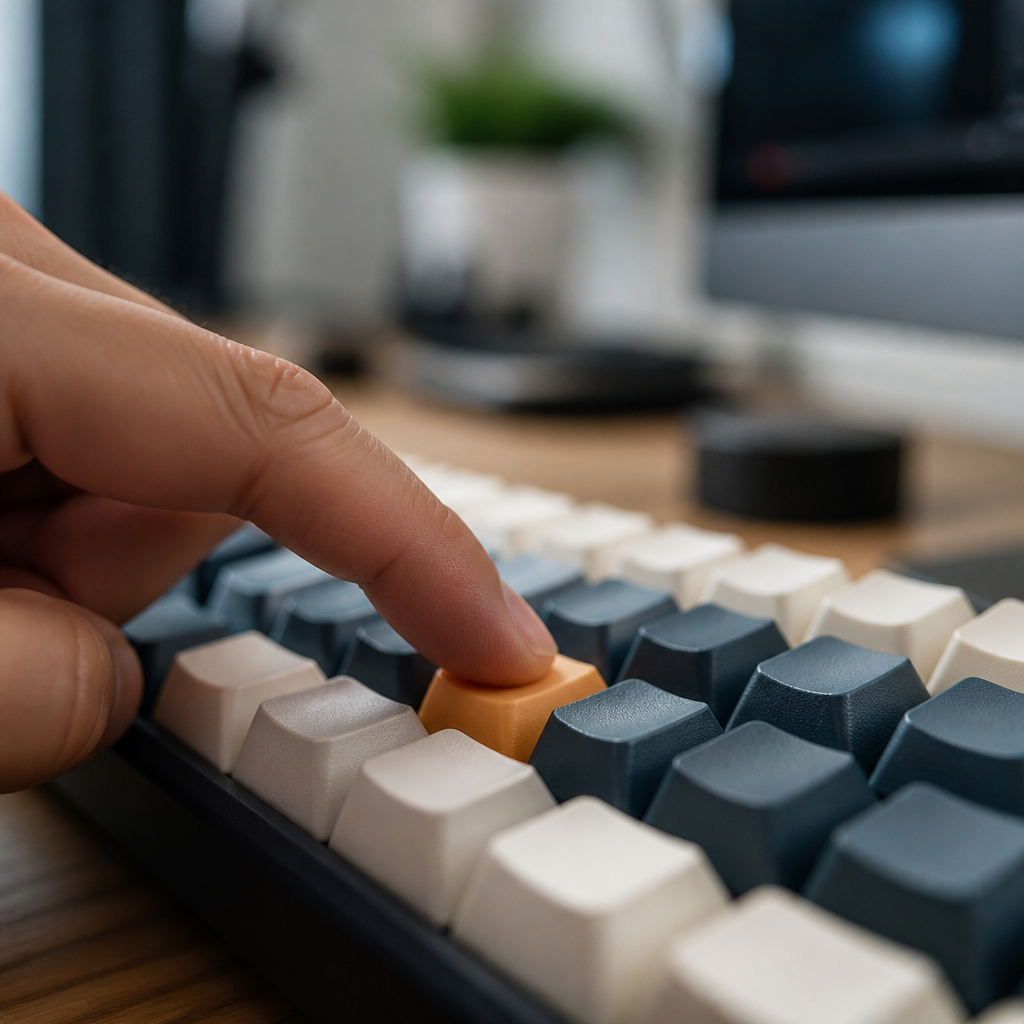
The “keycap sound profile” refers to the complete acoustic signature of a keystroke, encompassing its pitch, volume, and timbre. A keycap’s physical traits directly shape this profile. The sound is mainly influenced by four interacting factors:
- Material Density: Affects how vibrations are generated and resonate.
- Wall Thickness: Dampens vibrations and alters the overall pitch.
- Internal Shape: Influences how sound reflects inside the keycap, acting like a small echo chamber.
- Surface Finish: Subtly alters high-frequency sound reflections.
Detailed spectral analysis clearly shows how different keycap properties shift the main sound frequencies. For example, ABS keycaps tend to concentrate sound energy in the 3.2-3.8 kHz range, producing a “clacky” sound. In contrast, PBT keycaps typically show energy in the 2.1-2.6 kHz range, resulting in a “thocky” sound. Even a minor change, like a 0.5mm increase in thickness, can reduce overall loudness by 2-4 dB.
Do keycap materials affect sound?
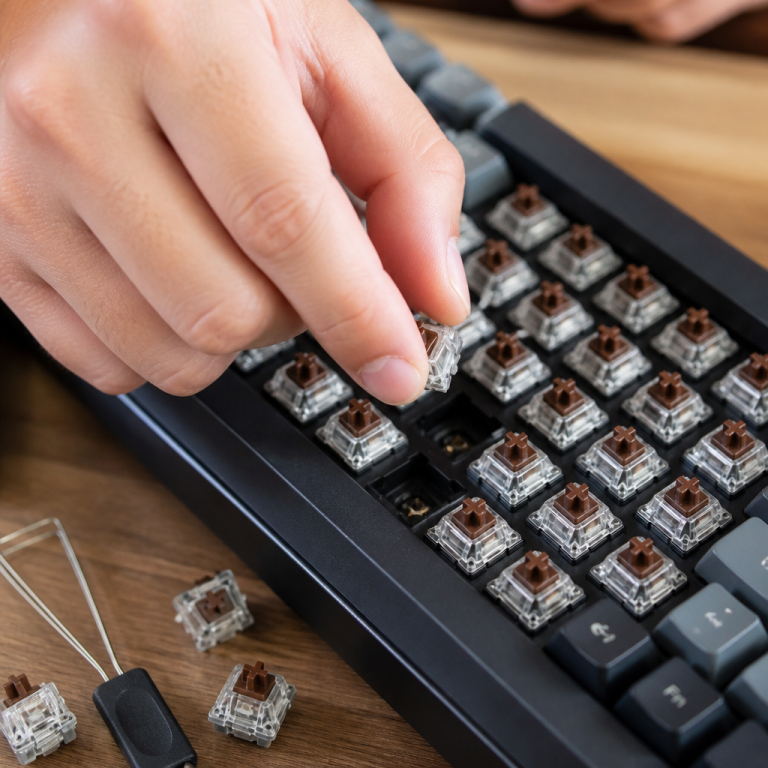
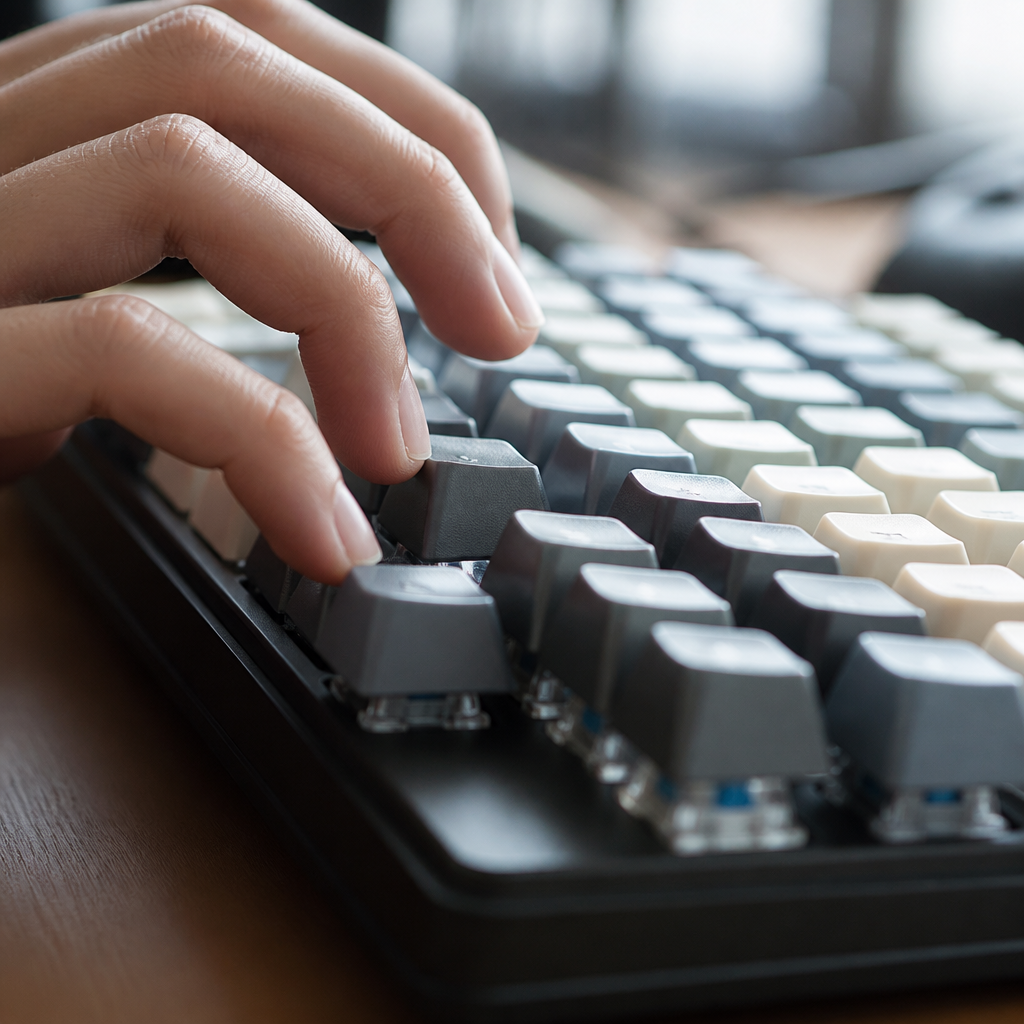
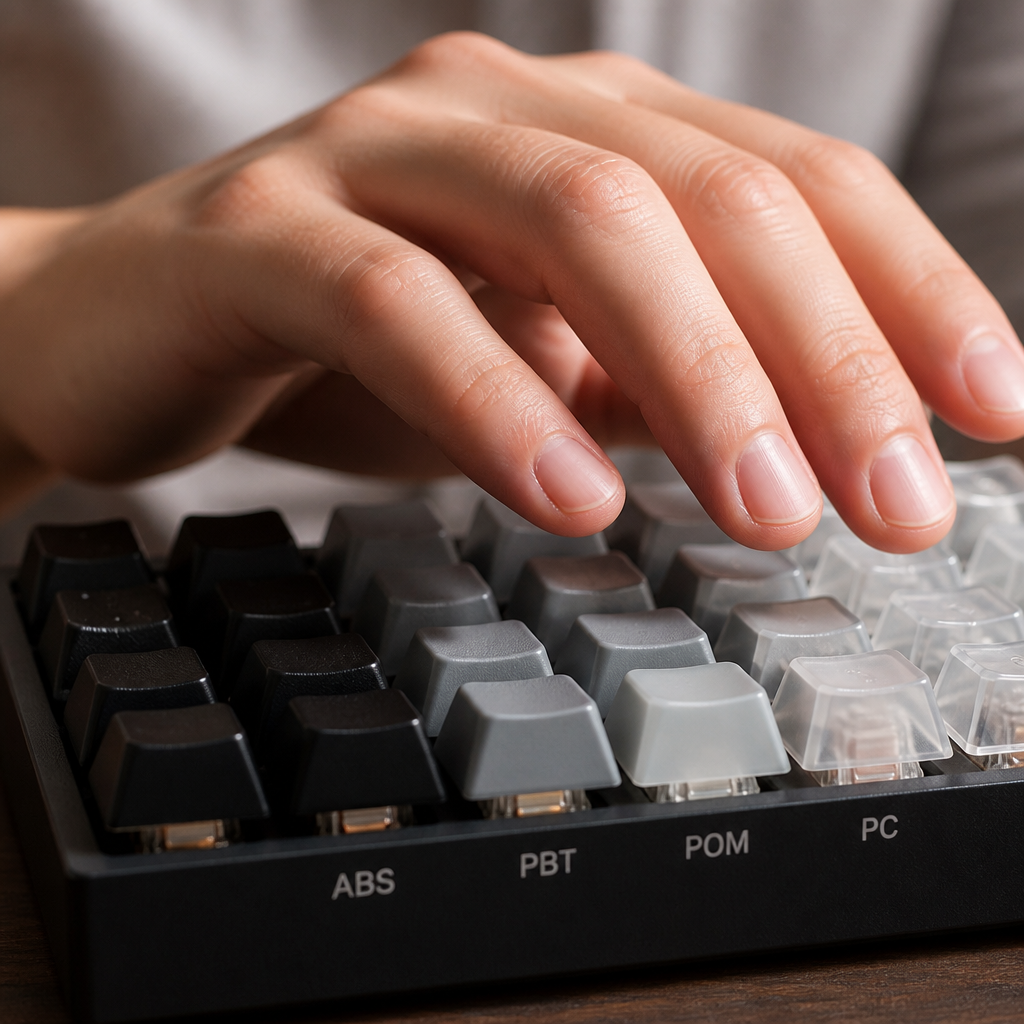
The material used for keycaps is a fundamental factor in determining your keyboard’s sound. Common materials like ABS, PBT, POM, and polycarbonate each have unique physical properties like density and hardness, which directly influence sound production and resonance. Denser and harder materials like PBT and POM tend to yield deeper, more muted tones, while a less dense material like ABS generally produces brighter, higher-pitched sounds.
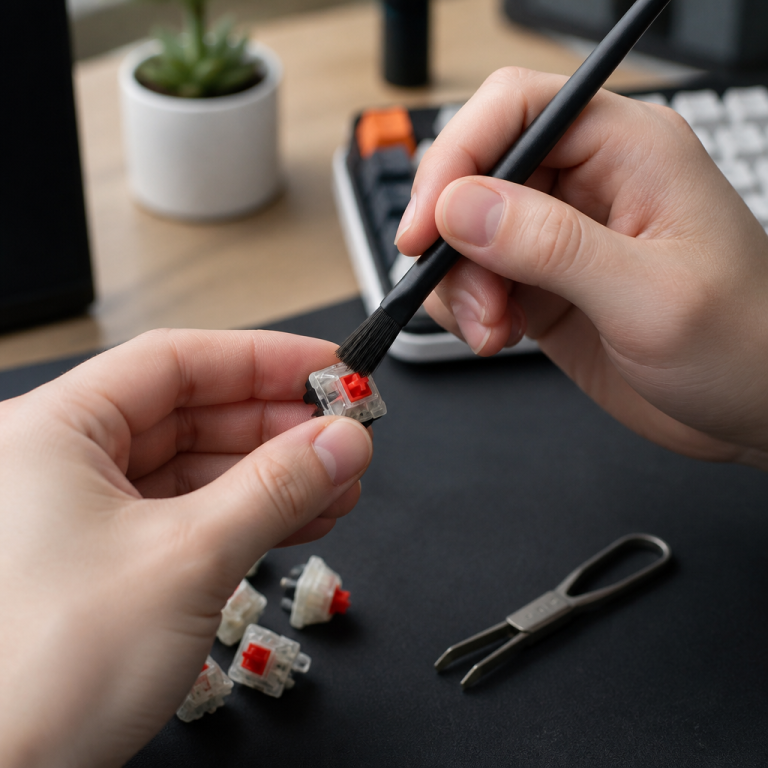
A material’s vibration-dampening capacity also significantly influences sound duration. ABS keycaps allow sounds to “ring” slightly longer, contributing to a clackier feel, while PBT and POM offer quicker dampening for a cleaner, sharper sound. These differences are not just subtle nuances; they create distinct and measurable acoustic signatures. The following table compares the typical sound characteristics of common keycap materials.
| Material | Typical Frequency Peak | Average Loudness | Common Sound Description |
|---|---|---|---|
| ABS | 3,200-3,800 Hz | ~68 dB | Clacky, Higher-Pitched |
| PBT | 2,100-2,600 Hz | ~62 dB | Thocky, Deeper |
| POM | 1,600-2,200 Hz | ~60 dB | Creamy, Low-Frequency |
| Polycarbonate | 2,800-3,400 Hz | ~65 dB | Crisp, Mid-to-High Pitch |
Do keycap thickness affect sound?
Keycap wall thickness, which typically ranges from a thin 0.8mm to an extra-thick 2.0mm, is a critical factor in modifying sound. It alters the keycap’s mass, stiffness, and vibration-dampening capabilities. Generally, thicker keycaps are associated with lower-pitched, quieter, and more dampened sounds. This is one of the most impactful changes you can make to tune your keyboard’s acoustics.
Scientific analysis shows that doubling a keycap’s wall thickness from 1.0mm to 2.0mm can increase its mass by 85-95%. This added mass significantly reduces the main resonant frequency (by 400-600 Hz) and decreases the sound pressure level by 6-9 dB. Thinner keycaps often produce a “hollow” sound as their walls flex more, while thicker keycaps create a “solid” or “dense” sound with fewer high-pitched overtones.
What is the keycap profile effect on sound?
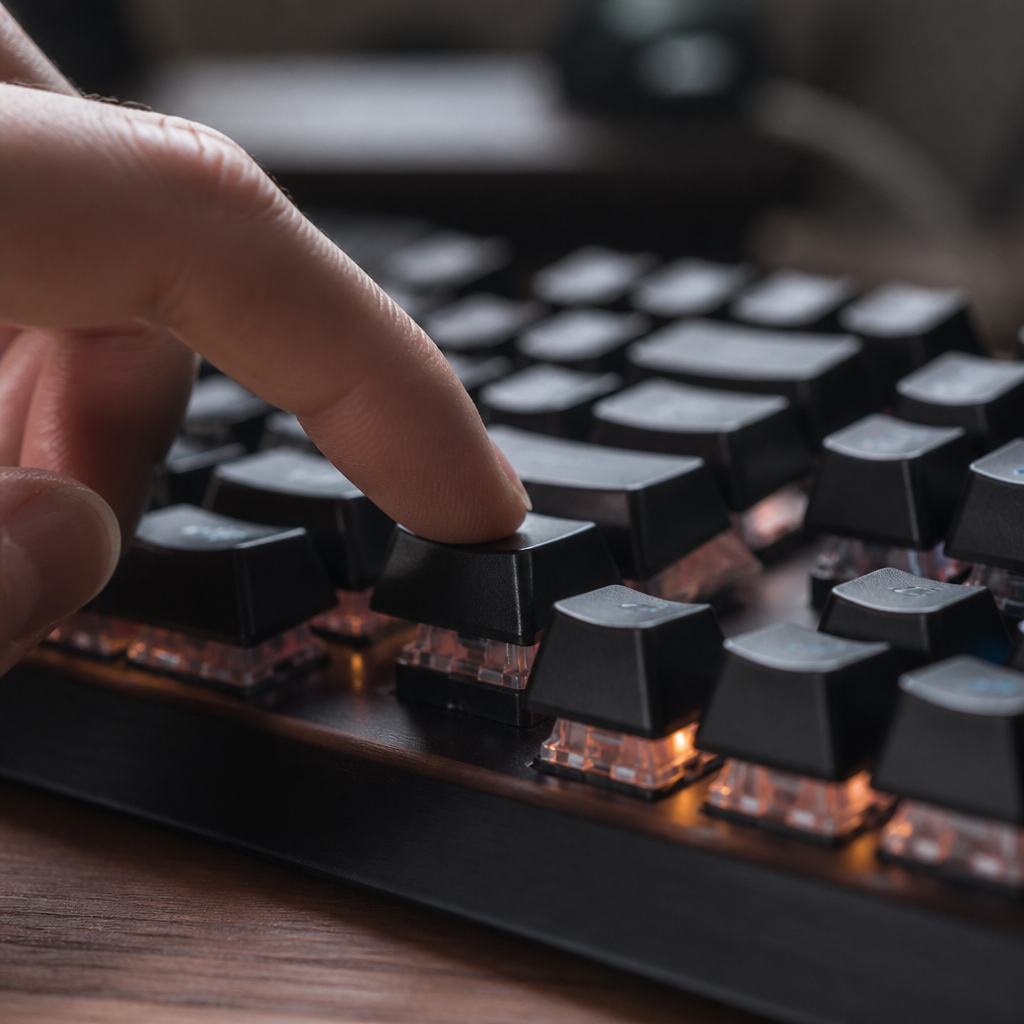
The keycap profile—the specific shape, height, and sculpting of the keycaps—produces distinct sound characteristics due to variations in mass, finger contact area, and the internal resonance cavity. Taller profiles, such as SA and MT3, tend to produce slightly louder sounds with lower frequencies. This is because their increased mass and the longer finger travel distance generate more kinetic energy upon impact. Conversely, shorter profiles like Cherry and DSA generally result in quieter, higher-pitched sounds.
Acoustic analyses of different profiles on identical keyboards reveal consistent patterns. For instance, tall SA profile keycaps often have a dominant frequency peak around 2.0 kHz, while shorter Cherry profile keycaps peak closer to 2.7 kHz. Mechanical engineers in keyboard design confirm this relationship.
Taller profiles increase kinetic energy at impact, spherical tops concentrate strike force differently than cylindrical ones, and larger internal cavities in tall profiles amplify lower frequencies like miniature resonance chambers.
Do double-shot keycaps affect sound?
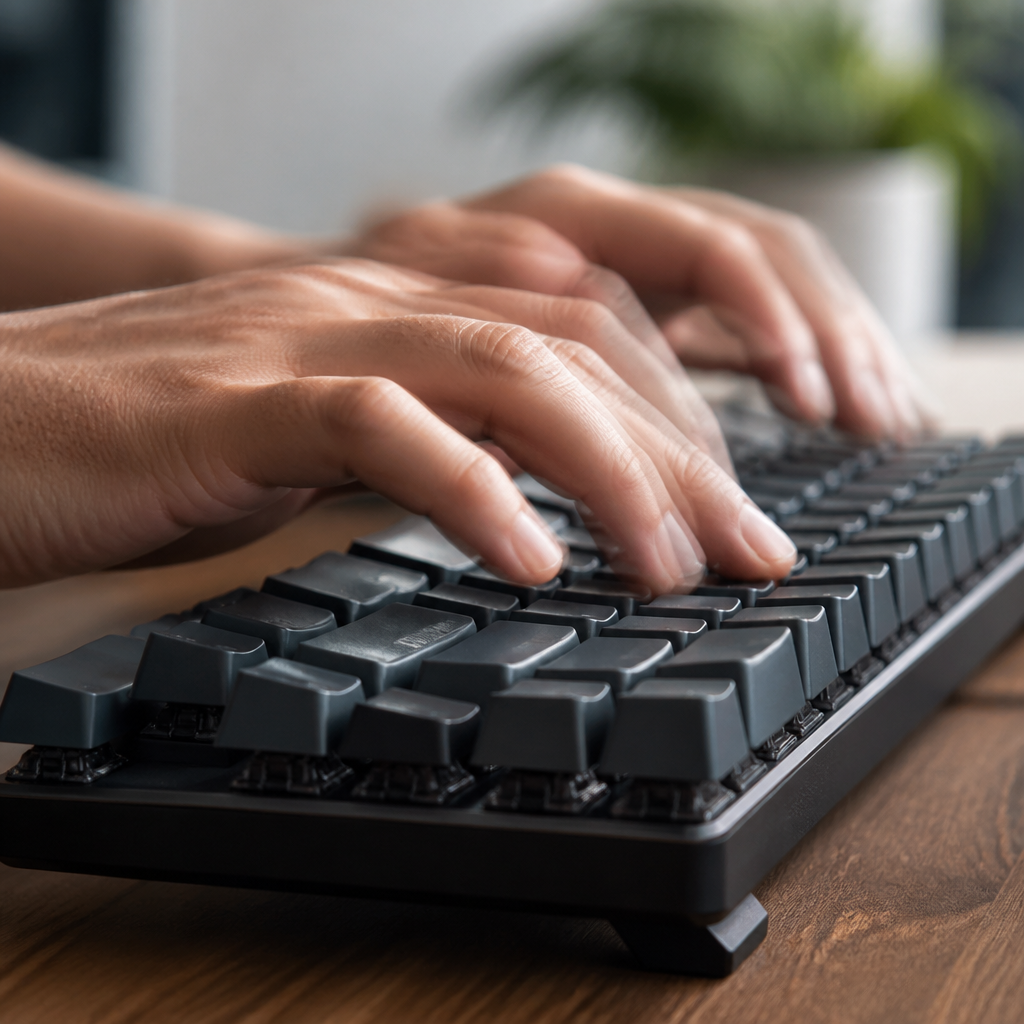
Double-shot keycaps are made by molding two separate layers of plastic together, creating durable legends that never fade. While this two-layer structure adds 10-20% more mass compared to a single-shot keycap of the same profile, the manufacturing method itself has a relatively minor acoustic impact compared to material and thickness.
Acoustic testing comparing double-shot versus single-shot PBT keycaps of the same profile and thickness shows minimal sound differences, typically a 0.5-2 dB variation. Product engineers explain that the sound differences people perceive are often due to the materials used and the common practice of making double-shot sets thicker for structural integrity, not the two-layer construction itself. Many users report they cannot reliably distinguish between double-shot and dye-sublimated keycaps by sound alone when other factors are matched. Perceived differences are often attributed to confirmation bias or _actual variations in material or thickness between the tested sets_.
Keycap Impact on Overall Typing Experience
Do keycaps affect sound and typing feel?
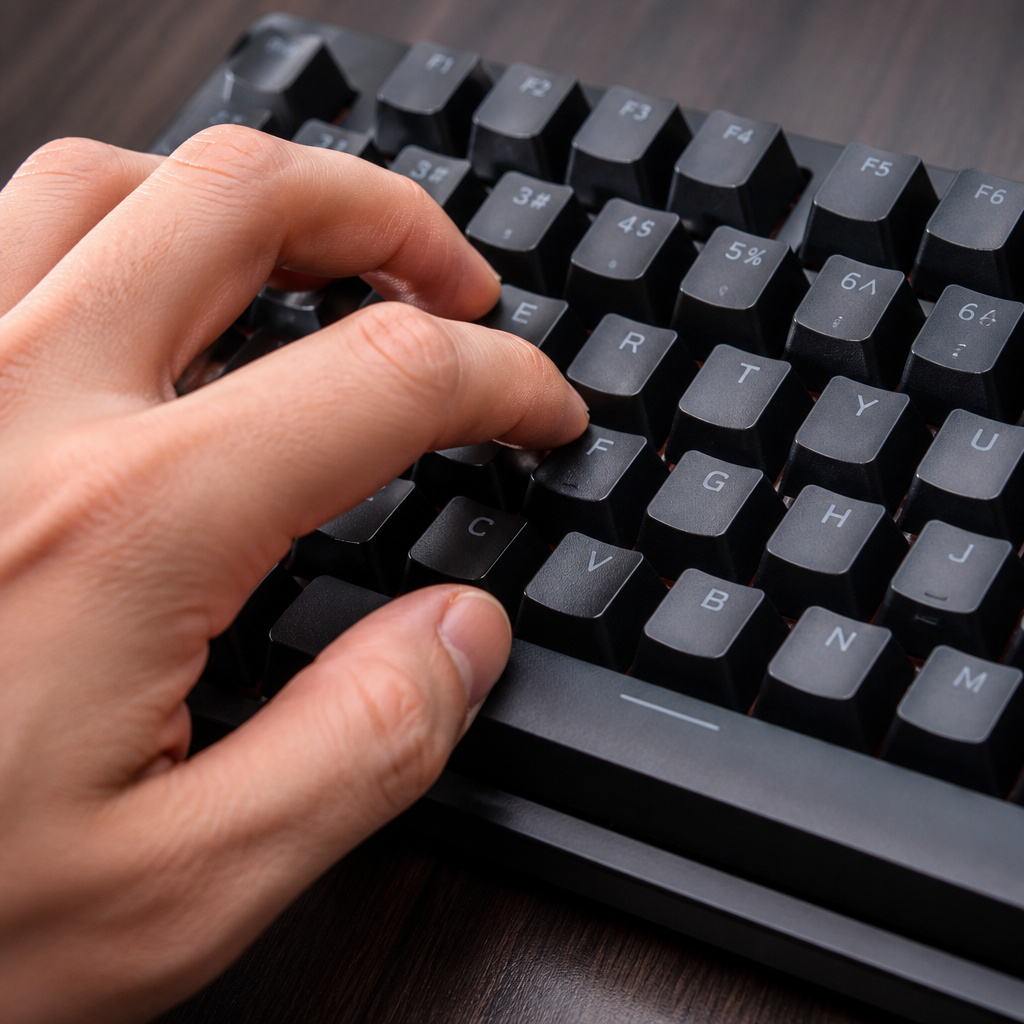
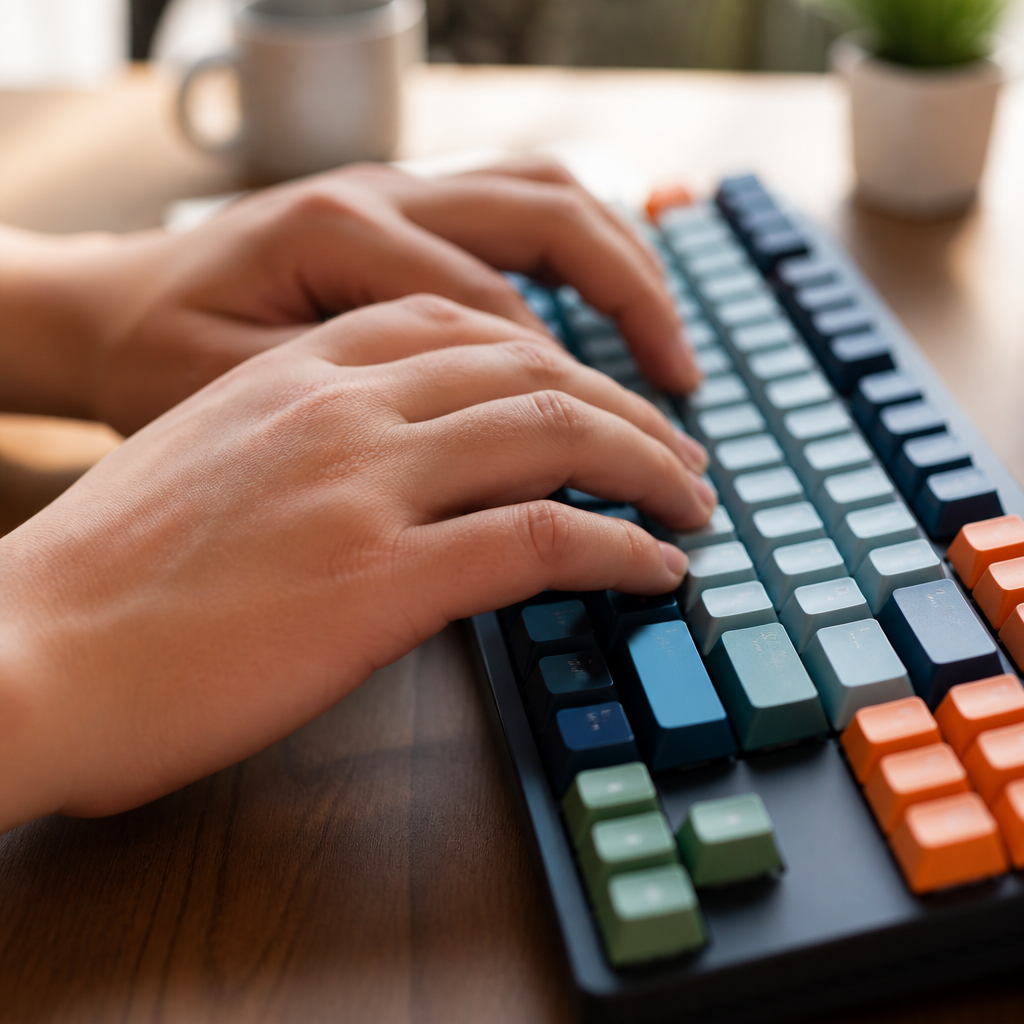
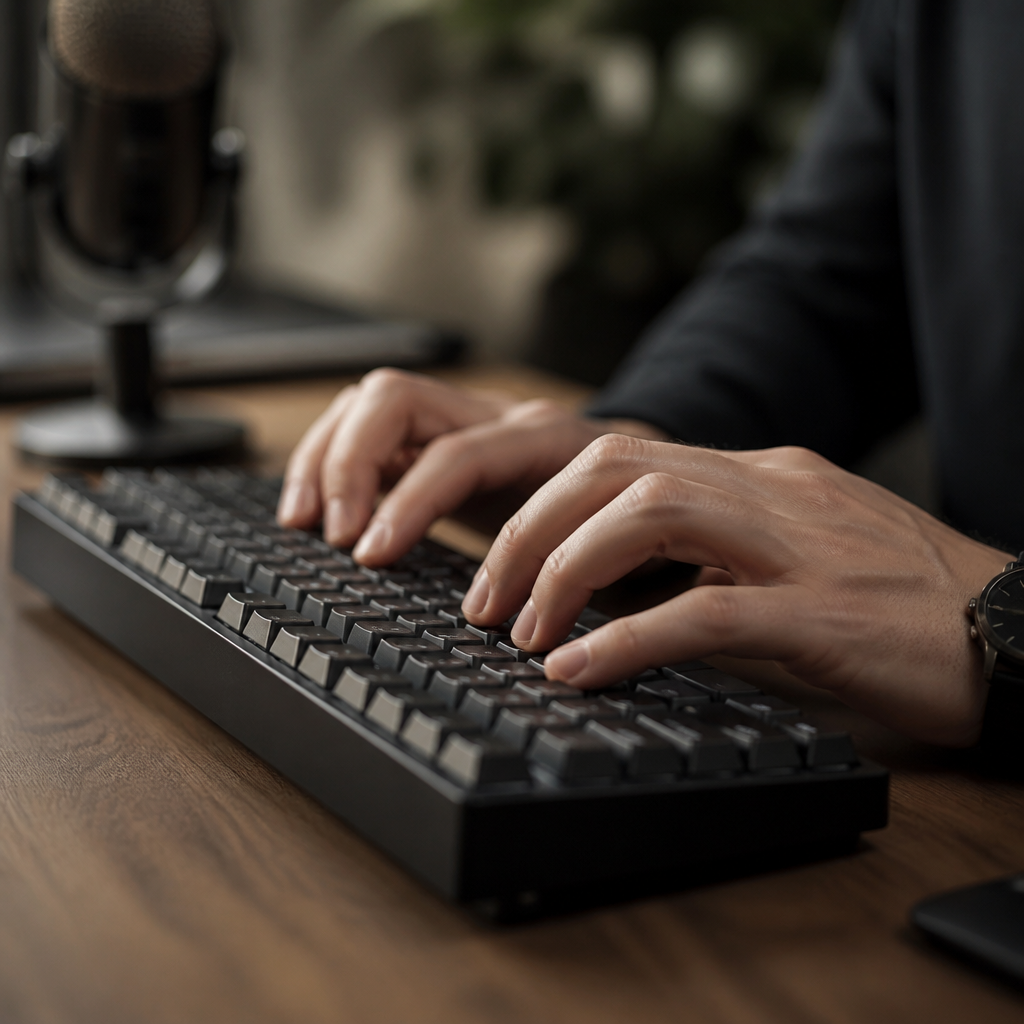
Keycaps are unique in how they influence both the sound you hear and the tactile feedback you feel, creating an integrated sensory experience. Changes in keycap sound can directly influence how you perceive typing feel, even if the switch’s mechanical characteristics remain unchanged. This phenomenon, known as auditory-tactile integration, means that deeper, quieter sounds are often perceived as “smoother” or “more premium.”
Neuroscience research shows that the brain regions processing sound and touch work in tandem, meaning a change in keycap sound alters how your brain interprets the feel of typing. This highlights the powerful role sound cues play in shaping our perceptions, _regardless of the actual switch force required_. The keycap’s surface texture also contributes; smooth surfaces on ABS keycaps can feel slippery and produce sharp sounds, while textured PBT surfaces provide more grip and can dampen high frequencies.
What are the best keycaps for a quieter sound?
For those seeking to minimize keyboard noise, the goal is to reduce loudness (below 60 dB SPL) and lower high-frequency tones (below 2.5 kHz). The optimal combination for a quiet typing experience often involves thick-walled (1.5-2.0mm) PBT keycaps in a Cherry or DSA profile. This setup can reduce typing noise by a remarkable 10-15 dB compared to standard thin ABS keycaps.
An acoustic specialist focused on office noise control shared their expert recommendation.
He advised using 1.6mm or thicker PBT keycaps in a low-profile design like Cherry. He explained that this combination leverages the material’s dampening, the keycap’s mass for sound absorption, and a reduced internal resonance cavity to achieve the quietest possible typing.
Based on acoustic testing and user reviews, several keycap sets consistently perform well for quiet operation:
- EnjoyPBT 9009 (1.6mm PBT, Cherry profile)
- Drop MT3 Susuwatari (1.8mm PBT, MT3 profile)
- NicePBT Sugarplum (1.5mm PBT, Cherry profile)
- Akko ASA (1.5mm PBT, ASA profile)
While thick POM keycaps often perform best for quietness, their limited availability and higher cost make thick PBT the most practical and effective choice for most users aiming for a silent build.
—
Ultimately, keycaps are far more than just aesthetic components; they are integral to the acoustic and tactile experience of a mechanical keyboard. Their material, thickness, profile, and manufacturing method profoundly influence everything from pitch and volume to timbre and duration. By understanding these intricate relationships, keyboard enthusiasts can make informed choices to tailor their typing experience, whether aiming for a deep “thock,” a crisp “clack,” or the quietest possible operation. The journey to a personalized keyboard sound truly begins with the keycaps.

Hi, I’m Alex Morgan.
Welcome to my blog! As a dedicated mechanical keyboard enthusiast, I’m passionate about exploring everything from custom builds to the finest details of switches and keycaps. My goal is to break down specs, sound profiles, and ergonomics to help you find the absolute best keyboard for your setup. Whether you’re a gamer, programmer, or desk setup fanatic, I’m here to share honest reviews and practical recommendations.