What are double shot keycaps? 7 Benefits That Last
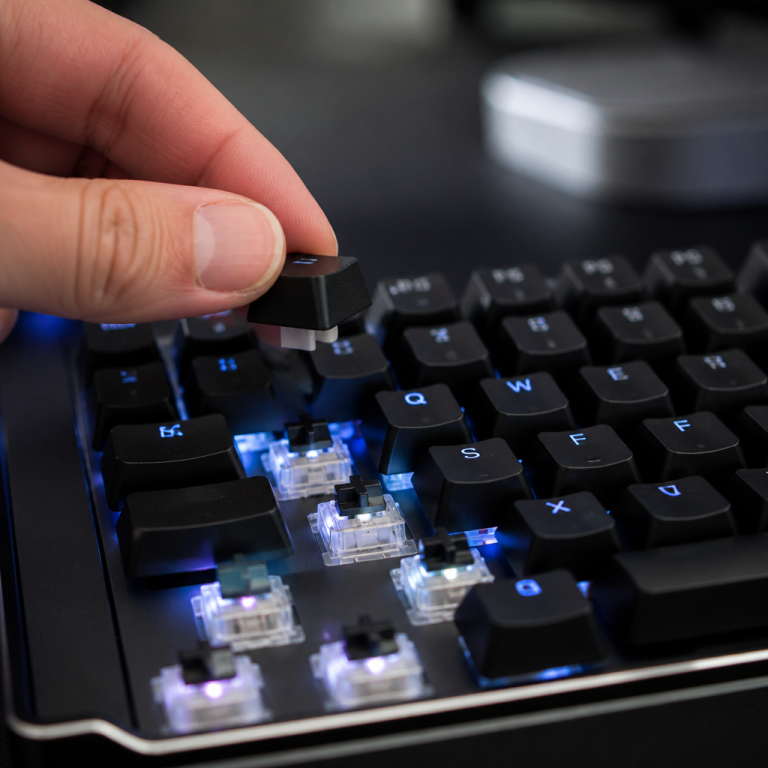
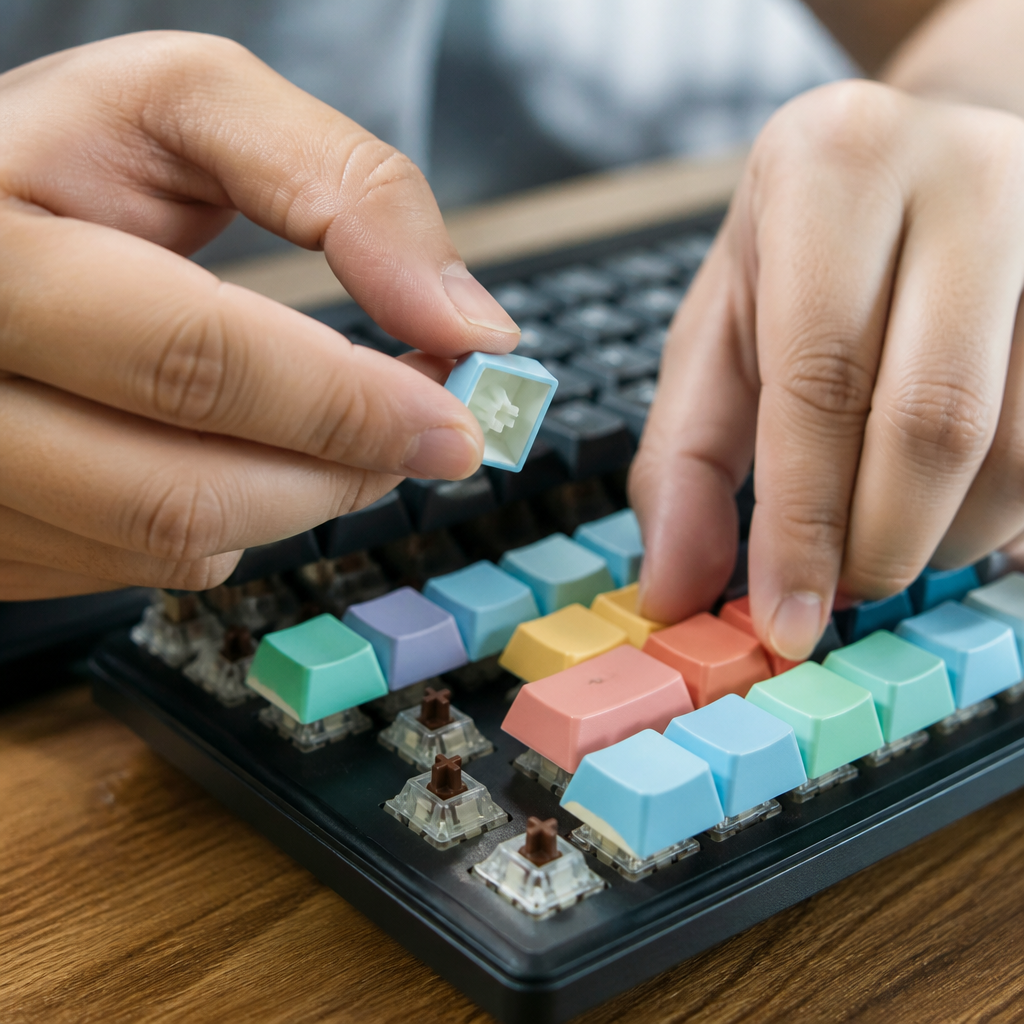
I remember the frustration of looking down at my keyboard during a late-night gaming session, only to realize that the ‘WASD’ keys, my trusty companions, had become smooth, shiny blanks. The letters had completely rubbed off! It felt like my keyboard was slowly erasing itself. That’s why when I first stumbled upon ‘double shot keycaps,’ I was immediately intrigued. They promised a solution to this common problem, a way to keep those important letters from fading away. Discover why double shot keycaps are a game-changer for anyone who spends a lot of time typing or gaming, offering incredible durability and a look that truly lasts. These keycaps are made using a clever two-step process called injection molding. In simple terms, two different colored plastics are melted and then injected into a mold—one plastic forms the letter or symbol (the ‘legend’), and the other forms the main body of the keycap. This unique design means the legends aren’t just printed on the surface; they’re an actual, physical part of the keycap itself.
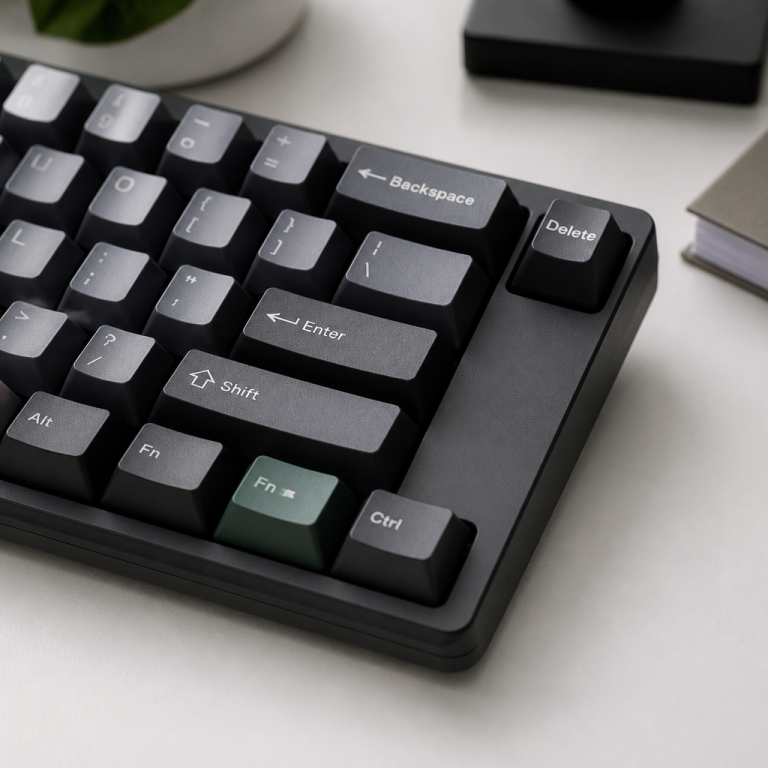
The biggest benefit of this special way of making keycaps is that the letters or symbols become a core part of the keycap. Unlike regular printed letters, which can easily wear off after lots of typing, double shot legends are made from a separate piece of plastic that goes all the way through the keycap. This makes it almost impossible for the letters or symbols to disappear or fade, even after years of heavy use. This solid design is a major reason why these keycaps are so highly valued by people who love mechanical keyboards.
Double shot keycaps are usually made from one of two types of plastic: ABS (Acrylonitrile Butadiene Styrene) or PBT (Polybutylene Terephthalate). Each material has its own unique feel and look. ABS keycaps often feel smoother to the touch and can show off really bright, vivid colors, which makes them a popular choice for many fancy keycap sets. PBT double shot keycaps, while usually costing a bit more to make because of their specific material properties, are famous for being super tough, resisting that shiny look (“shine”) that develops over time, and having a slightly textured feel that many typists prefer. The choice between ABS and PBT often comes down to what you personally like in terms of how it feels, how it looks, and how well it holds up over many years.
The growing popularity of high-quality keyboard parts like these reflects a bigger trend in the market. The global market for mechanical keyboards, where these premium keycaps are most commonly used, was worth an impressive $1.98 billion in 2023. It is predicted to grow significantly, possibly reaching $3.89 billion by 2030. This huge growth shows that more and more people are looking for advanced keycap technologies that offer both better performance and a look that lasts. As more users discover how great mechanical keyboards are, the demand for durable and attractive components like double shot keycaps is only going to keep growing, cementing their place as the top choice for smart keyboard owners.
How Are Double Shot Keycaps Made?
Double Shot Keycaps Manufacturing Process
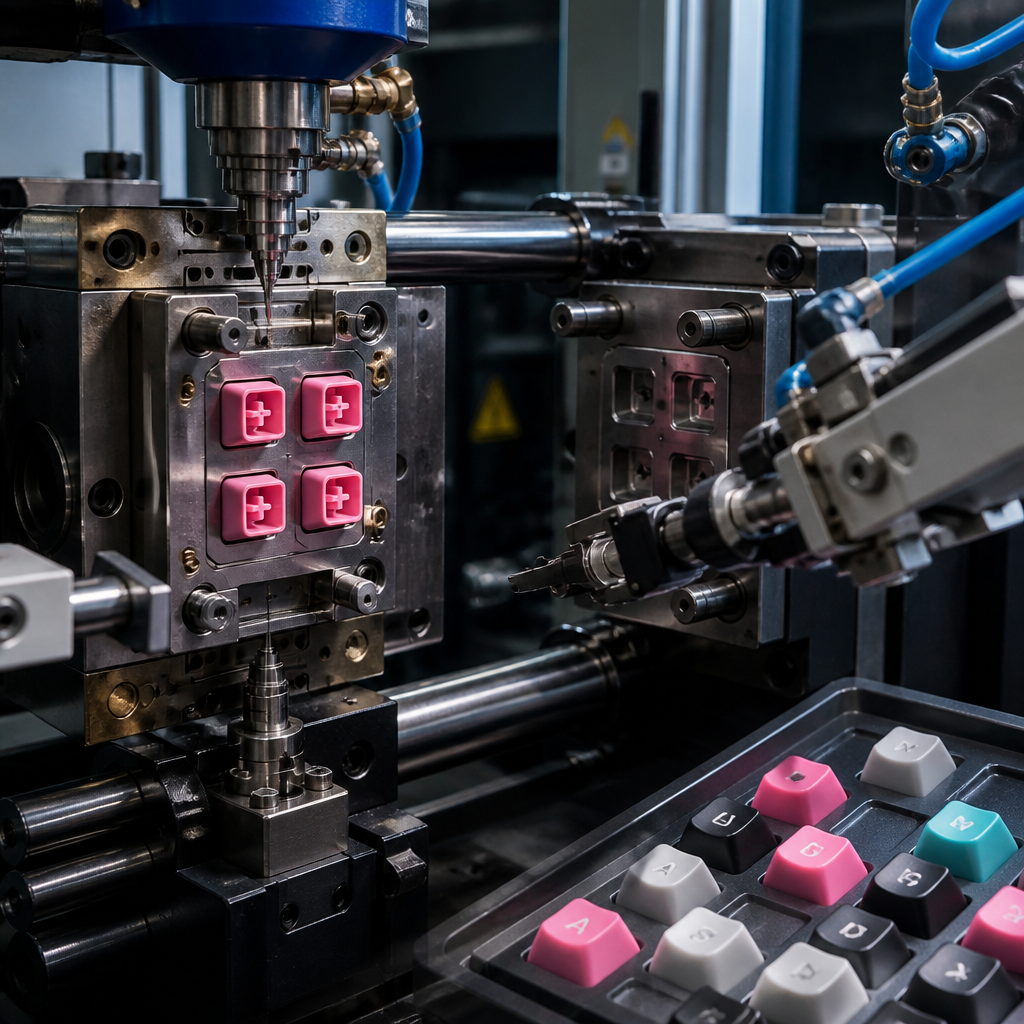
Making double shot keycaps is a demonstration of careful engineering in plastic manufacturing. This complex process involves two separate injections of molten plastic into a mold, which is essential for embedding the legend right into the keycap body. The process follows these key steps:
- First Injection: The plastic for the legend—usually a color that stands out—is injected into the first part of the mold. This first layer creates the letter or symbol you’ll see on the keycap.
- Mold Transfer: Once this legend layer cools and hardens slightly, it’s either moved to a second mold or the mold itself rotates.
- Second Injection: In this second stage, the plastic for the keycap’s outer shell, typically a different color, is injected around the already-formed legend. This requires extremely precise alignment and special molds that can inject two different plastics without melting the first layer or moving the legend out of place.
A crucial part of this two-step process is choosing the right plastic materials. The two plastics used must be compatible, meaning they need to have similar melting temperatures and shrinkage rates. _If these properties aren’t a close match, the keycap could end up with problems like “delamination” (where the two plastic layers separate) or “warping” (where the keycap becomes bent), which would ruin the keycap’s fit and feel._ This need for compatible materials is a big manufacturing challenge that adds to the complexity and cost of making high-quality double shot keycaps.
Modern production uses advanced robotic systems to make sure every keycap is consistent and high-quality. These systems include clever quality checks, such as rigorously inspecting the size of each keycap, checking the clarity of the legends with optical sensors, and performing “pull-force testing” to check how well the two plastic layers are bonded. It’s this meticulous attention to detail that truly justifies the premium price of some of the best double shot sets.
Major players in the keycap world, like GMK in Germany and Signature Plastics in the USA, are famous for their unique double shot techniques. GMK, for example, is highly respected for using original “Cherry tooling,” which refers to the exact molds used by the Cherry company, to make their ABS double shot keycaps. Signature Plastics, known for different keycap shapes like SA, also uses very careful processes to ensure quality. Their dedication to precision and quality control is a key reason why their keycaps are often seen as the benchmark in the mechanical keyboard community.
Double Shot Keycaps Durability and Performance
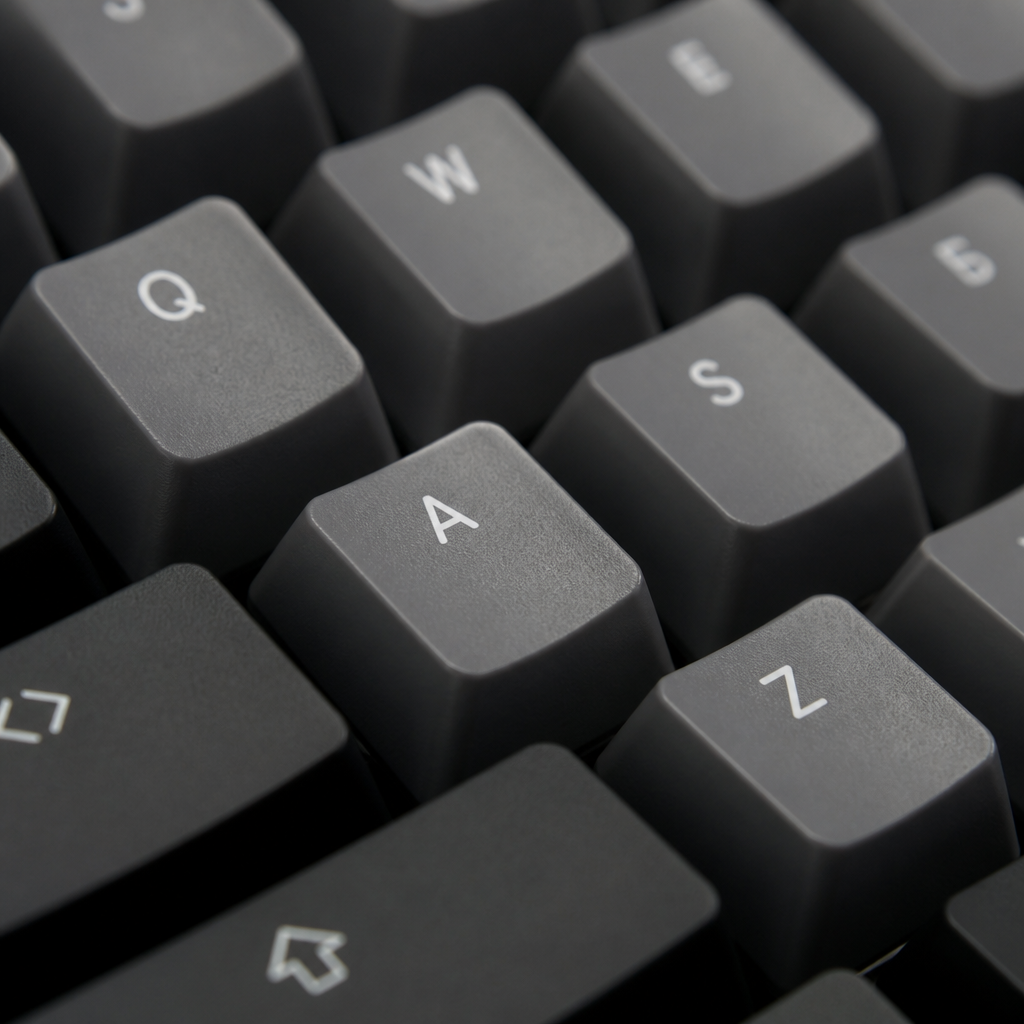
Double Shot Keycaps Durability and Longevity
When we talk about how long keyboard parts last, double shot keycaps are often considered the best choice because of their amazing durability and longevity. Their special construction is estimated to endure an impressive 50-100+ million keystrokes before any noticeable wear. This is far better than keycaps with printed legends, which usually start showing wear after just 5-10 million keystrokes. Even “laser-etched” keycaps typically only last around 20-30 million keystrokes before their legends start to degrade.
To further back up their reputation for being tough, scientific tests provide solid data. For instance, keyboard maker Ducky put their double shot PBT keycaps through rigorous testing that showed the keycaps kept 100% of their legend clarity even after a simulated 50 million presses. The keycaps also held onto 98% of their original surface texture, showing impressive resistance to getting smooth or shiny. This level of performance ensures that the keycaps not only remain easy to read but also keep their original feel for many years of intense use.
The type of plastic material also plays a huge role in performance, especially concerning “shine”. The table below compares the two common materials.
| Feature | PBT (Polybutylene Terephthalate) | ABS (Acrylonitrile Butadiene Styrene) |
|---|---|---|
| Shine Resistance | High; retains matte texture for 3-5+ years. | Low; can develop shine in 6-12 months. |
| Feel | Slightly textured, solid. | Smooth, sometimes slippery. |
| UV Resistance | Excellent; minimal color change over 5+ years. | Fair; can yellow or fade in 2-3 years with sun exposure. |
| Chemical Resistance | High; resistant to oils and cleaning solvents. | Moderate; can be damaged by strong solvents like alcohol. |
I’d personally recommend PBT double shot keycaps if you want the absolute longest-lasting matte finish. Beyond physical wear, chemical resistance is also a factor. PBT keycaps generally stay strong when exposed to common substances like rubbing alcohol and hand oils. _However, some ABS double shot keycaps might show damage or discoloration if exposed to strong solvents, which suggests you need to be more careful when cleaning them._
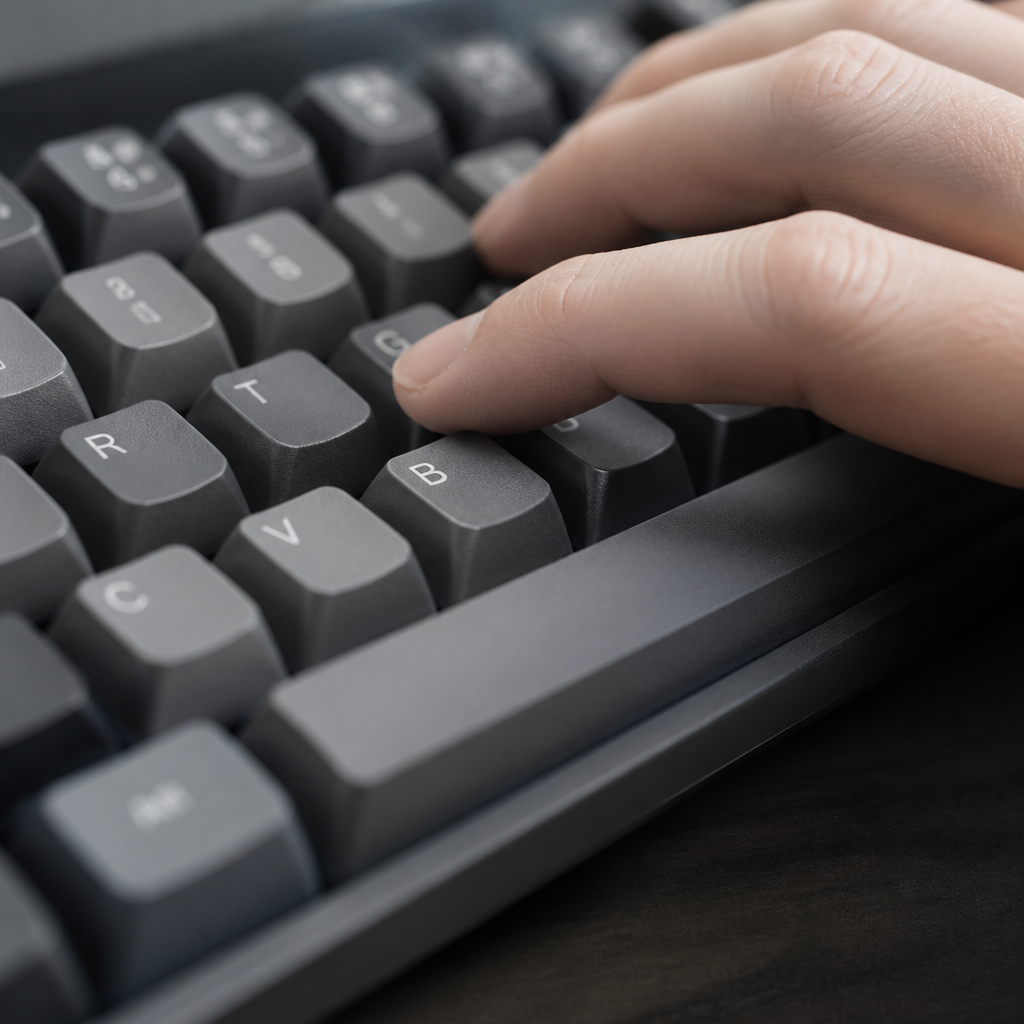
Double Shot Keycaps Legends Fade Resistance
One of the most compelling advantages of double shot keycaps is that their legends almost never fade. The legends aren’t just printed or etched on the surface; they are a separate piece of plastic physically molded into the keycap’s structure. This means it’s physically impossible for the legends to fade through normal use; the only way to get rid of the legend is to physically destroy the keycap.
To explain this further, double shot legends extend through the entire thickness of the keycap wall, typically around 1.5 to 2 millimeters. This deep integration means that even if the top surface were to wear down after decades of extremely heavy use, the legend would still be perfectly visible because the legend material goes as deep as the keycap material itself. I always tell people that if you want your keycap legends to last forever, double shot is the only way to go.
When we compare how well different types of keycaps resist fading, test data shows double shot keycaps exhibit 0% fade after 100 million keystrokes. In contrast, “dye-sublimated” legends might show 0-5% fade, and “pad-printed” keycaps can show a dramatic 60-100% fade. While the legend structure itself won’t fade, it’s important to remember that the color of the plastic can change due to environmental factors. For example, white ABS legends might develop a yellowish tint over 3-5 years. PBT legends, however, show much better color stability. The core benefit remains: the legends will never rub off or become unreadable.
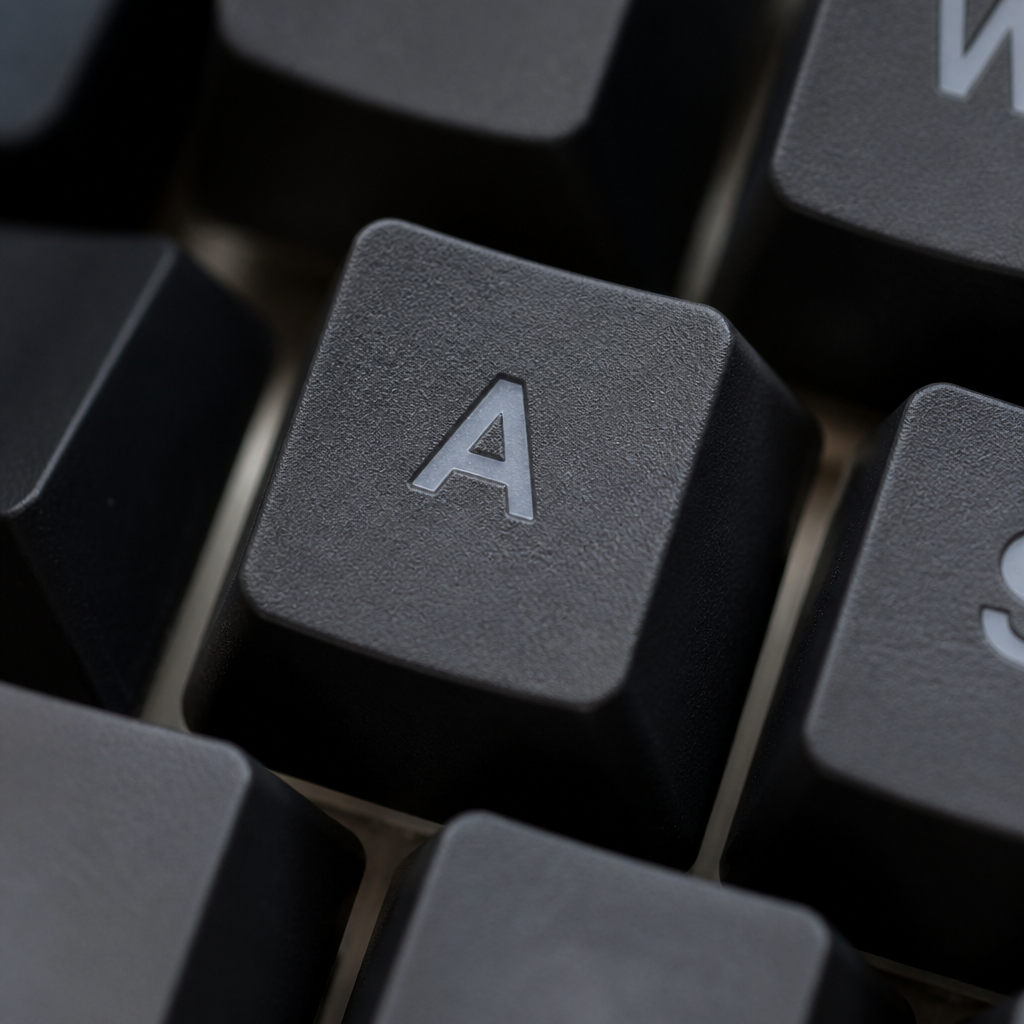
Double Shot Keycaps vs Other Types
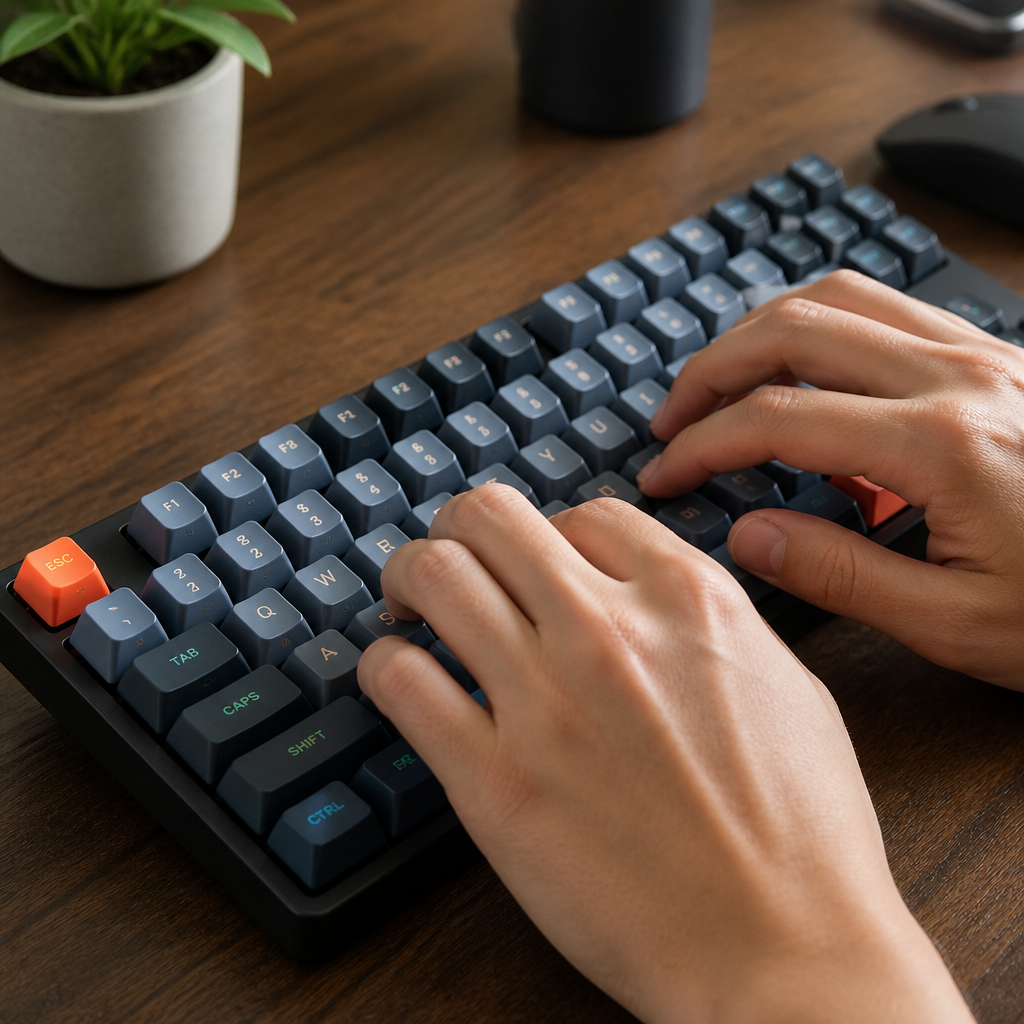
Double Shot Keycaps vs Single Shot Keycaps
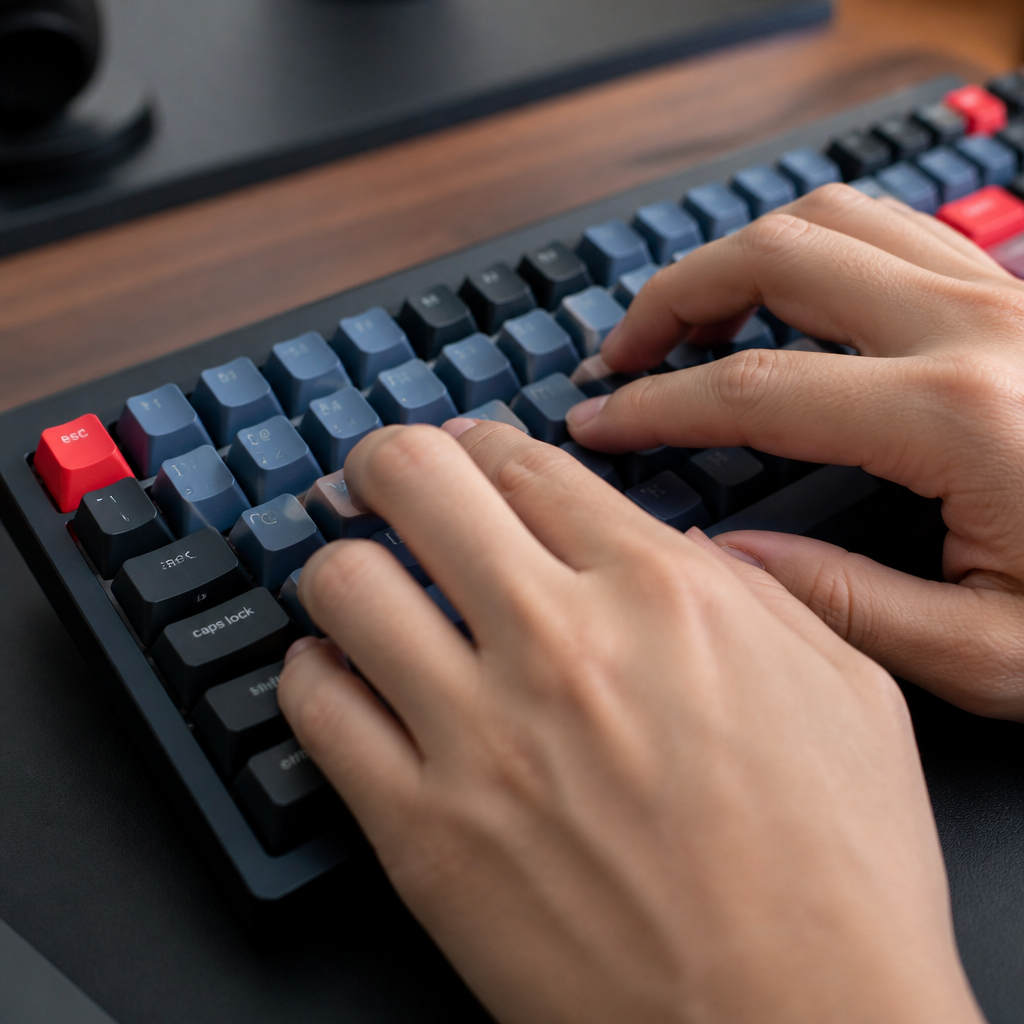
The main difference between double shot and “single shot” keycaps comes down to how they’re made. Single shot keycaps are made from one solid color of plastic, and the legends are added later through printing, laser etching, or dye-sublimation. Double shot keycaps integrate the legend directly into the keycap during the molding process itself.
This core difference leads to a massive gap in legend longevity. Double shot legends are permanent. Single shot keycaps with printed legends are far less durable, often showing wear within 6-18 months. In terms of design, single shot keycaps with printed legends can offer more complex multi-color designs and graphics. _Double shot keycaps, by their nature, are typically limited to two-color designs: one for the keycap body and a contrasting color for the legend area._ This focus on permanence means they cannot achieve the same intricate graphic detail as printed caps. In my opinion, the subtle texture on double shot keycaps adds a touch of premium feel that you just don’t get with single shot.
Double Shot Keycaps vs Laser Etched Keycaps
Comparing double shot and “laser etched” keycaps highlights two different approaches to legend creation. Laser etching uses a laser beam to either remove a top layer of plastic to reveal a color underneath or to roughen the surface to create the legend.
When it comes to durability, double shot keycaps still have a big advantage. Laser etched legends can fade or smooth out over time, usually becoming noticeable after 20-30 million keystrokes. Visually, double shot keycaps generally have sharper, more defined legends with exceptionally clean edges. Double shot molding also allows for almost any color combination, including vibrant light legends on dark keycaps, with excellent contrast. I’ve personally found that trying to get bright, clear legends on a dark keycap is almost impossible with laser etching without some compromises, which is where double shot truly shines.
According to Thomas Barratt, Lead Product Designer at Keychron, “Laser etching offers a good middle ground for manufacturers—better durability than printing at a lower cost than double shot. However, for enthusiast-grade keyboards, double shot remains the gold standard because the legends simply never degrade.”
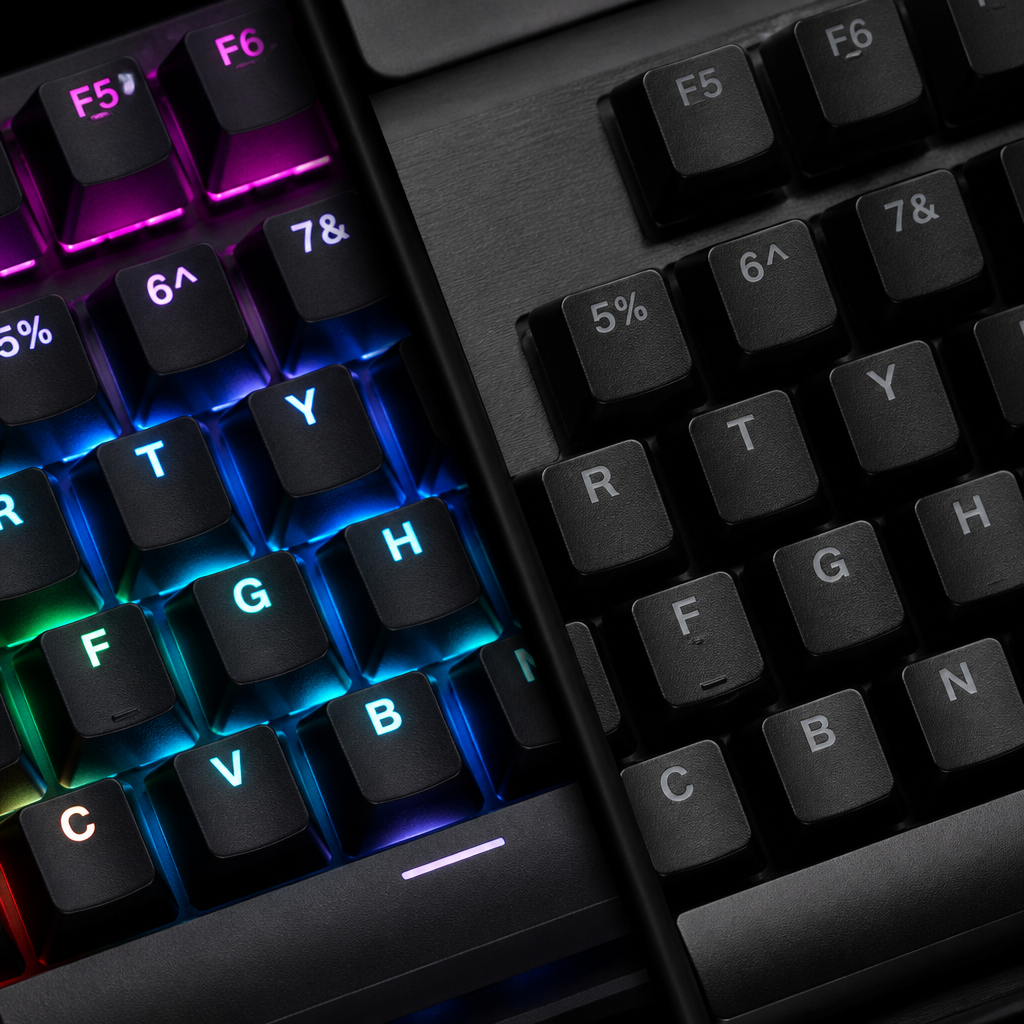
Finally, “backlight compatibility” is another area where double shot keycaps often excel. Double shot keycaps with translucent legends are specifically designed to let RGB backlighting shine through evenly and brightly. Laser etched keycaps, unless specifically designed with a translucent filling process, usually don’t let light pass through as effectively.
How Do You Choose the Best Double Shot Keycaps?
Best Double Shot Keycaps for Mechanical Keyboards
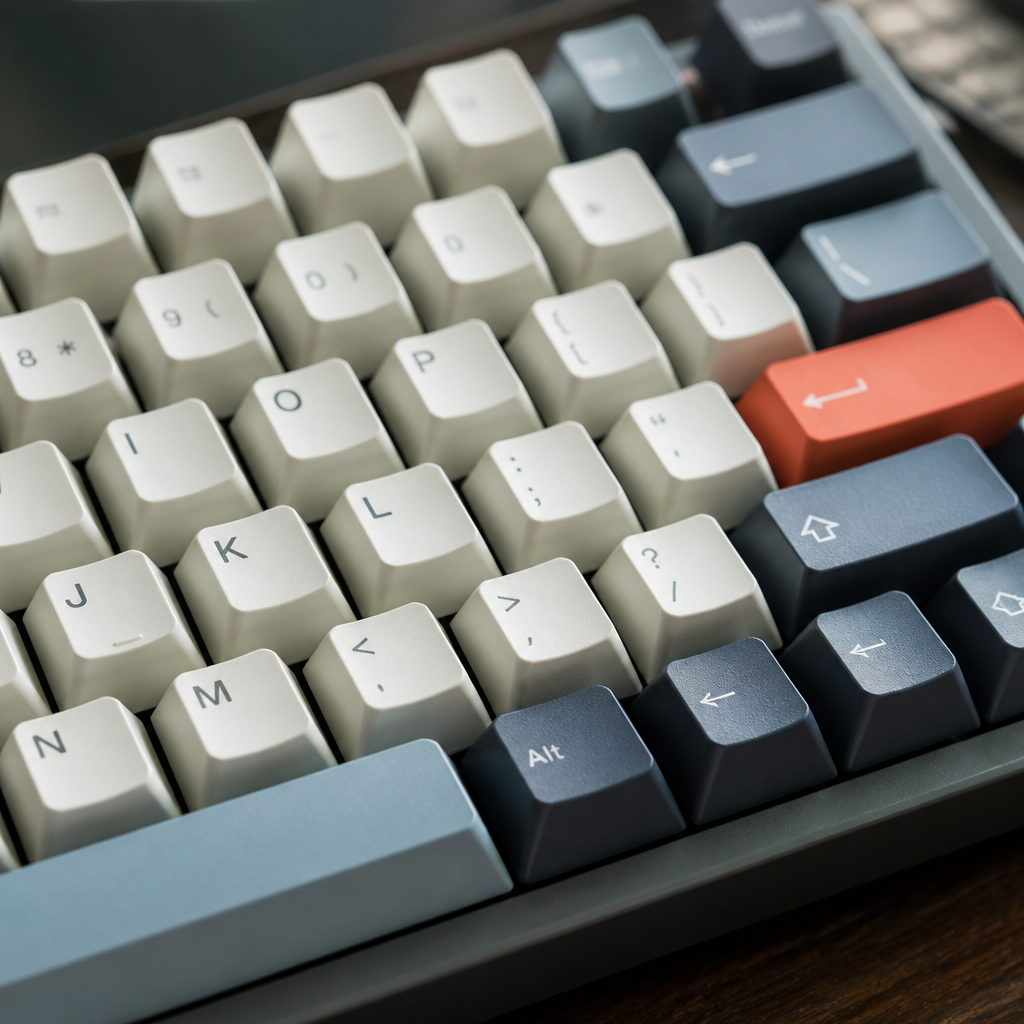
Choosing the “best” double shot keycaps involves balancing material preference, keycap shape (“profile”), looks, and budget. Among manufacturers, GMK (from Germany) is widely considered the top standard for double shot ABS keycaps, celebrated for using original Cherry tooling. GMK sets typically cost between $100-$200. For those who prefer PBT, brands like Drop, Ducky, and HyperX offer excellent options at prices ranging from $25 to $100. In my experience, you truly get what you pay for with keycaps, but there are still excellent options at every price point.
Unlock the perfect feel for your keyboard by considering these key factors:
- Material: Choose between PBT for maximum durability and a textured feel, or ABS for smoother texture and more vibrant color options.
- Profile: The shape and height of the keycaps (e.g., Cherry, OEM, SA) significantly affect typing comfort and ergonomics. Cherry profile is lower and often preferred for gaming, while SA is tall and provides a unique, vintage feel.
- Compatibility: Most standard sets fit full-size or TKL keyboards. _Warning: Users with non-standard layouts, such as 65% or 75%, should carefully check for compatibility to ensure the set includes all necessary key sizes._
- Budget: High-end sets from GMK can be costly, but brands like HyperX and Ducky offer genuine double shot quality at a much more accessible price.
According to Taeha Types, a professional keyboard builder, “If you’re investing in a quality mechanical keyboard, double shot PBT keycaps are the single best upgrade for longevity. GMK is beautiful but will shine—for daily drivers, I recommend Ducky or ePBT double shot PBT sets that balance quality and price.”
For users with RGB backlit keyboards, “shine-through” double shot keycaps from brands like HyperX, Razer, and Corsair are designed to maximize the lighting effects. Ultimately, the choice comes down to a blend of personal preference for feel, desired durability, aesthetic goals, and budget.
FAQ
Q1: What makes double shot keycaps more durable than other types?
A1: Double shot keycaps are made by molding two separate pieces of plastic together—one for the legend (the letter/symbol) and one for the keycap body. This means the legend is a physical part of the keycap’s structure. Unlike printed or laser-etched legends that are just surface treatments and can wear off, double shot legends cannot fade or rub away through normal use.
Q2: Do double shot keycaps come in different materials?
A2: Yes, they are commonly made from ABS or PBT plastic. ABS keycaps are smoother with vibrant colors but can get shiny over time. PBT keycaps are more durable, resist shine, and have a textured feel that lasts for years.
Q3: Can double shot keycaps be used with RGB backlit keyboards?
A3: Absolutely. Many “shine-through” double shot keycaps have translucent legends designed specifically to allow RGB backlighting to illuminate them evenly and brightly, enhancing the visual appeal of the keyboard.
Q4: What are some popular brands for double shot keycaps?
A4: Popular high-quality brands include GMK (premium ABS, $100-$200+), Signature Plastics (ABS, $80-$150), Drop + MiTo (PBT, $60-$100), Ducky (PBT, $40-$80), and HyperX (PBT, $25-$50).
Q5: How does the keycap profile affect the typing experience?
A5: The keycap profile (its shape and height) significantly impacts typing feel and comfort. Common profiles include Cherry (low, popular for gaming), OEM (medium, standard), and SA (tall, vintage aesthetic). Each offers a distinct feel that can affect comfort and typing speed.

Hi, I’m Alex Morgan.
Welcome to my blog! As a dedicated mechanical keyboard enthusiast, I’m passionate about exploring everything from custom builds to the finest details of switches and keycaps. My goal is to break down specs, sound profiles, and ergonomics to help you find the absolute best keyboard for your setup. Whether you’re a gamer, programmer, or desk setup fanatic, I’m here to share honest reviews and practical recommendations.