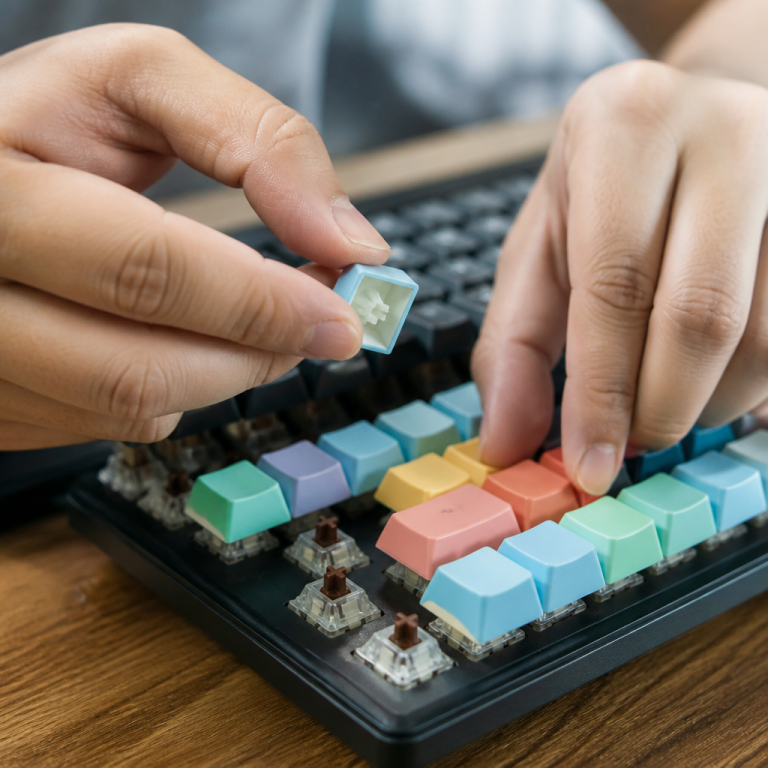
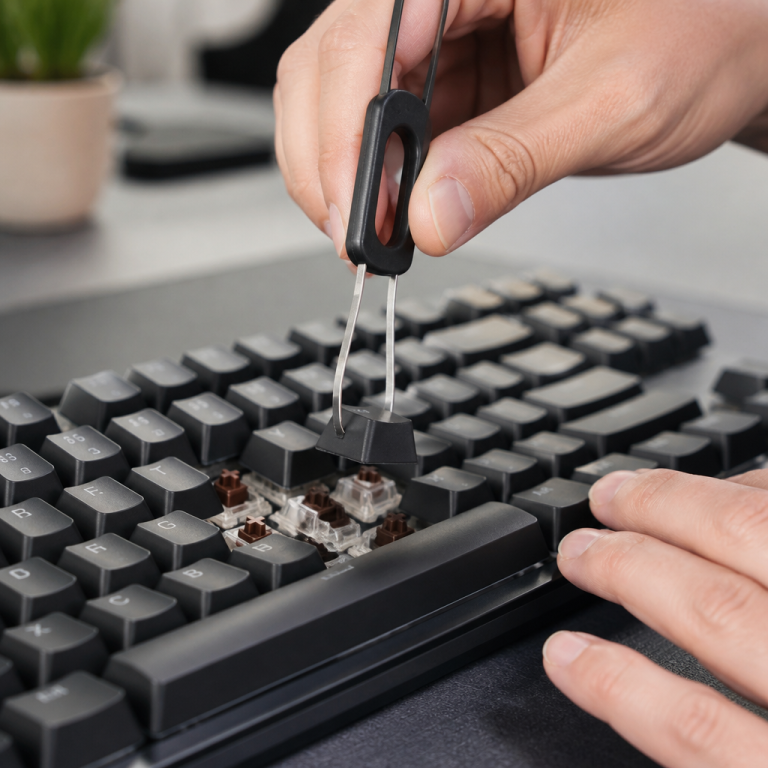
abs vs pbt keycaps: The Ultimate Feel and Sound Guide
Building a custom mechanical keyboard involves many choices, from switches to layouts. However, the keycap material, particularly the difference between ABS (Acrylonitrile Butadiene Styrene) and PBT (Polybutylene Terephthalate), is a critical decision. These two plastic types are popular for keycaps and significantly impact how your keyboard feels, its longevity, and its appearance over time. Understanding the differences between these plastics isn’t just for enthusiasts; it’s key to unlocking the best experience with your keyboard and making a choice that suits your typing style.
ABS keycaps are typically made at temperatures around 392-464°F (200-240°C), making them quicker and cheaper to produce. PBT, however, requires much higher temperatures, between 464-518°F (240-270°C). This heat requirement influences PBT’s plastic structure. The materials themselves differ too: ABS is a “terpolymer,” made from three building blocks. Acrylonitrile provides chemical resistance, butadiene adds toughness, and styrene gives it a rigid shape. PBT is a “semi-crystalline polymer,” meaning it has both ordered, crystal-like parts and less organized sections. This structure makes it more heat-resistant and causes it to shrink more upon cooling compared to ABS.
ABS vs PBT Keycaps: Physical Properties and Long-Term Performance
When choosing keycaps, the conversation often shifts to how these plastics feel and how they hold up over time. It’s about more than just the initial impression; it’s about performance after months or years of daily use. From the first touch to how they resist wear, ABS and PBT have distinct strengths and weaknesses that are crucial for getting the most out of your mechanical keyboard.
abs vs pbt keycaps feel and texture
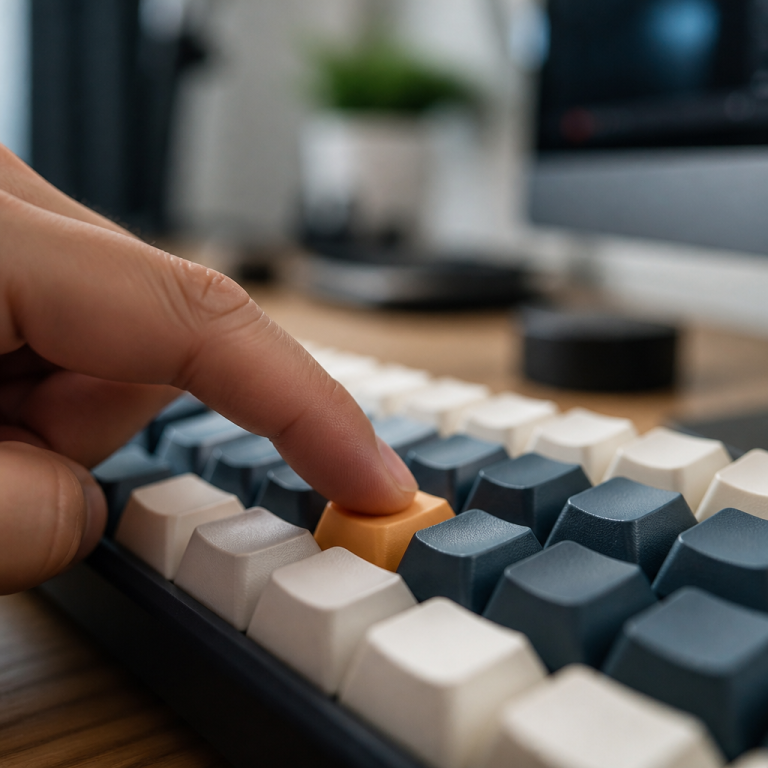
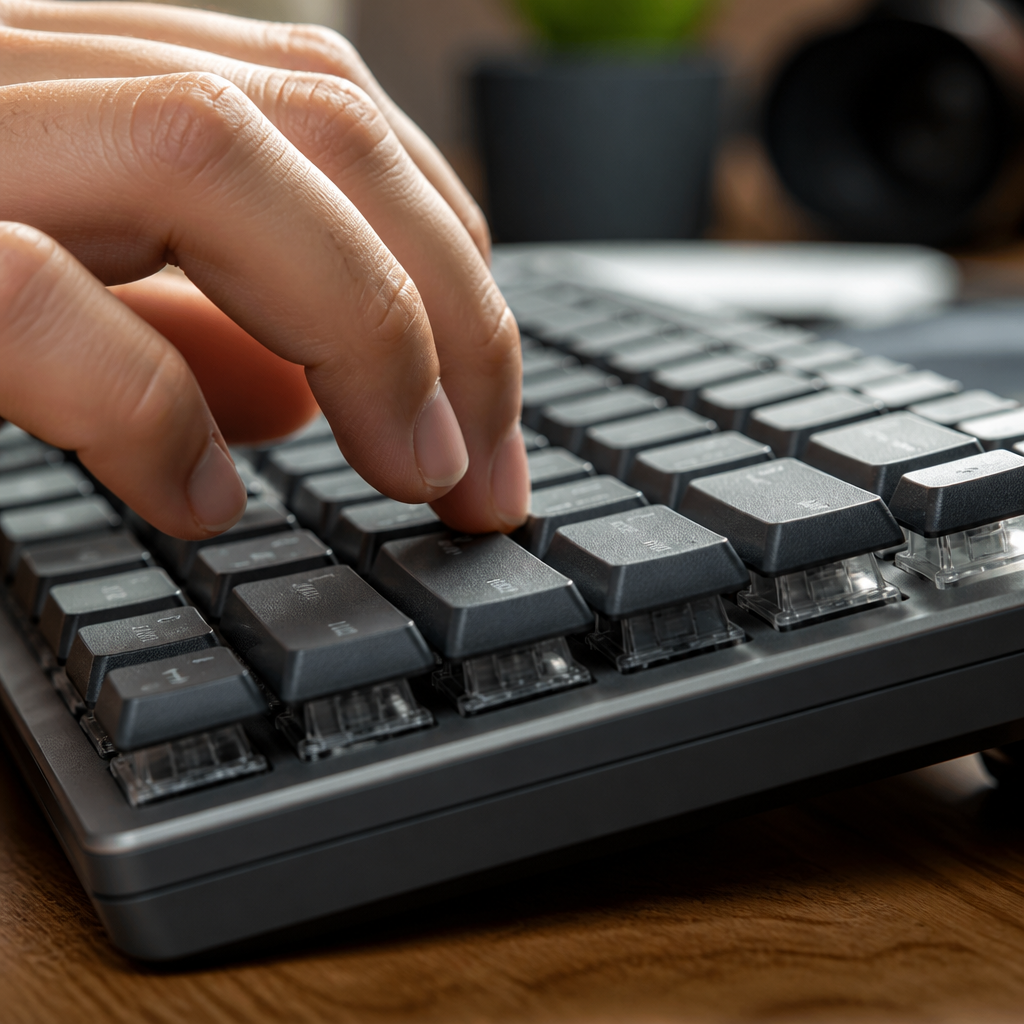
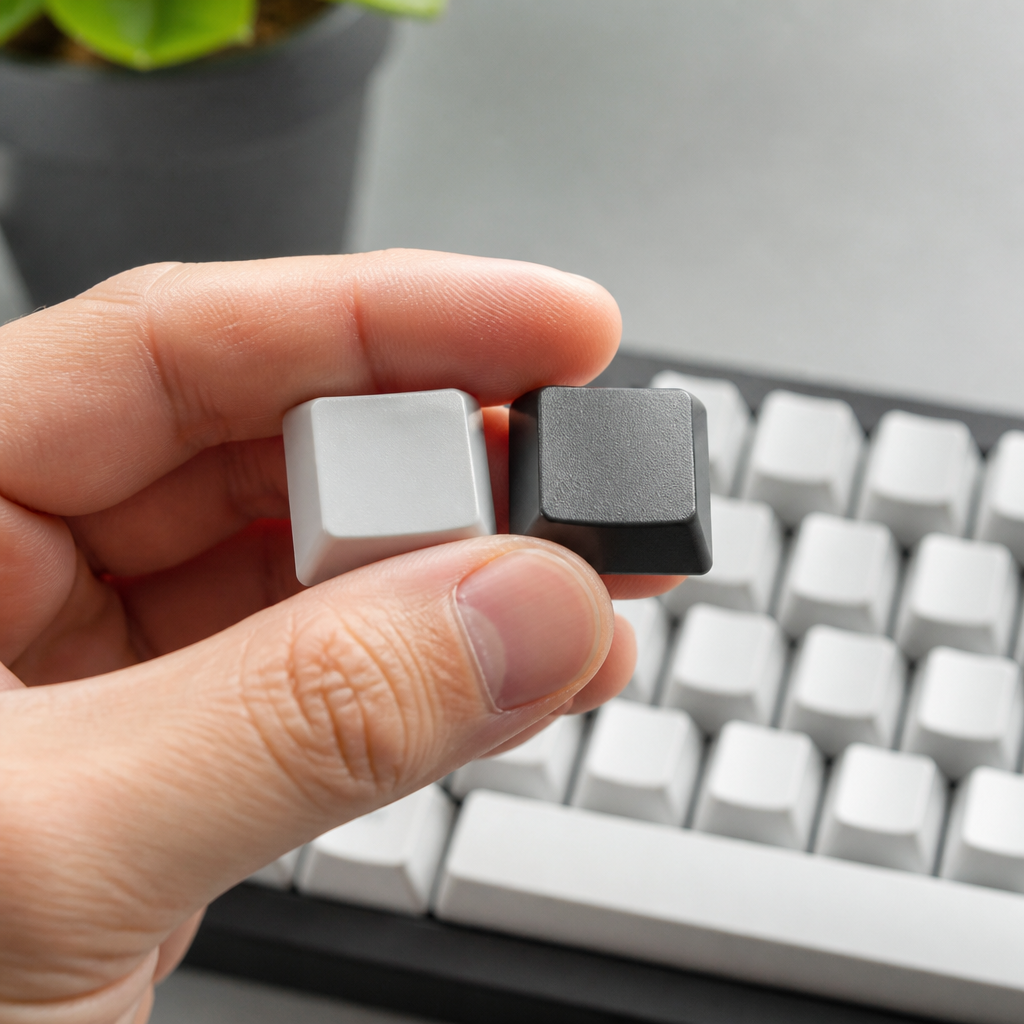
The texture of a keycap is often the first noticeable difference between ABS and PBT. New ABS keycaps usually feel smooth, allowing fingers to glide easily. However, this smoothness means they tend to pick up oils from your skin more quickly.
PBT keycaps are known for their rougher, matte finish, offering a slightly textured or “grippier” feel. New PBT keycaps typically have a surface roughness between 1.2 and 1.8 micrometers, significantly rougher than new ABS keycaps, which are usually around 0.3-0.6 micrometers. This added texture on PBT provides more tactile feedback, which some users find improves typing accuracy. PBT also absorbs very little moisture, typically only 0.08-0.1%, compared to ABS at 0.3-0.4%. As a result, PBT keycaps better maintain their original texture, even in humid conditions. The difference in how ABS attracts finger oils is also linked to its higher “surface energy” (42-46 mN/m) compared to PBT’s (35-38 mN/m), explaining why ABS can quickly become greasy.
How Does the Durability of ABS vs PBT Keycaps Compare?
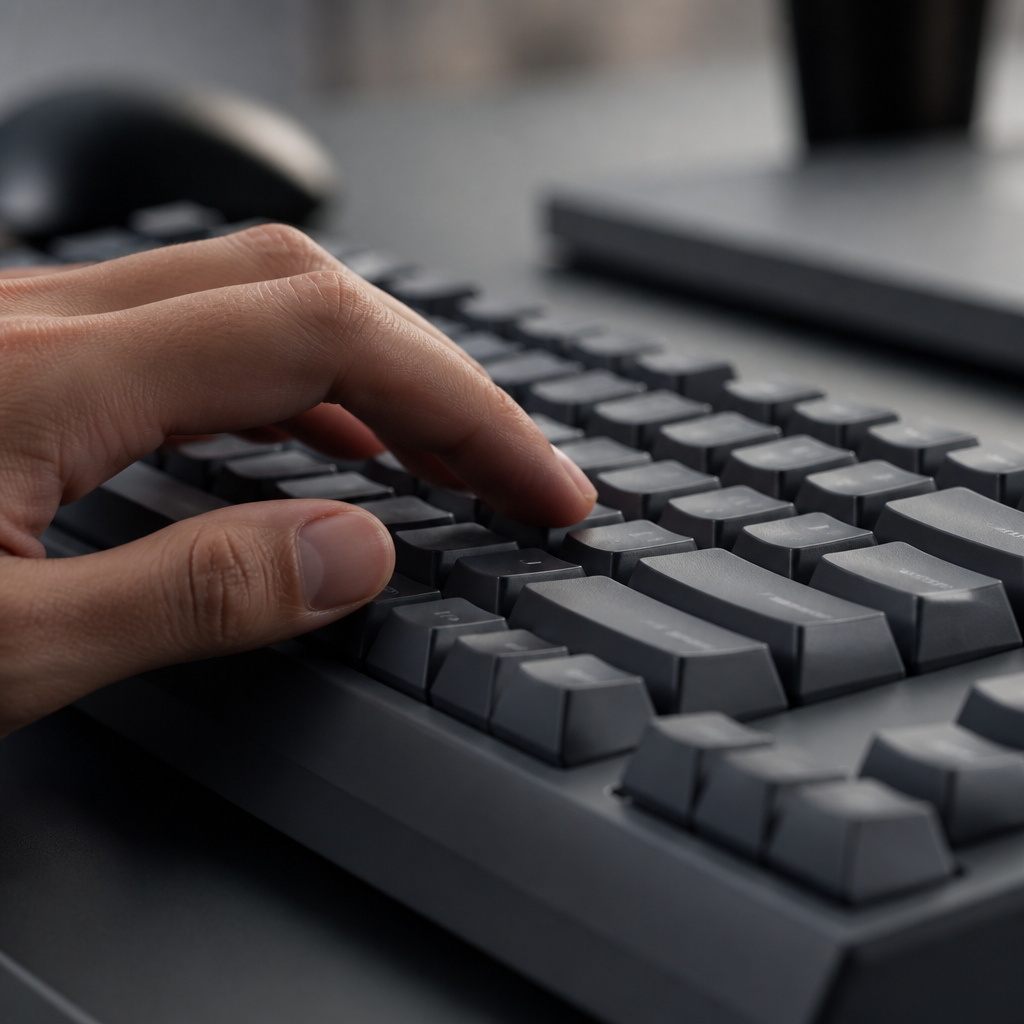
Keycap durability is critical for anyone who uses a mechanical keyboard regularly. This refers to how well they withstand physical wear, chemicals, and sunlight over years of typing. PBT keycaps generally offer superior durability due to their material properties.
Key aspects of durability include:
- Heat Resistance: While ABS has a higher glass transition temperature (221°F vs PBT’s 140-149°F), PBT’s semi-crystalline structure provides exceptional strength and shape stability, making it less prone to warping during normal use.
- UV Resistance: PBT demonstrates superior durability against UV light. Many white ABS keycaps turn a yellowed hue over time, especially on keyboards near windows. PBT keycaps retain their original color far better than ABS because their inherent chemical structure offers better resistance to UV breakdown.
- Chemical Resistance: PBT is much more resistant to common cleaning products like isopropyl alcohol. _ABS can develop fine, spiderweb-like cracks and become brittle after repeated exposure to such solvents._ This means PBT keycaps can be cleaned more thoroughly without concern for surface damage, making them a more hygienic and easier-to-maintain choice.
In summary, PBT keycaps generally offer a more robust, longer-lasting option. Their resistance to sun-induced yellowing, common cleaners, and their ability to maintain a stable shape all contribute to a longer lifespan.
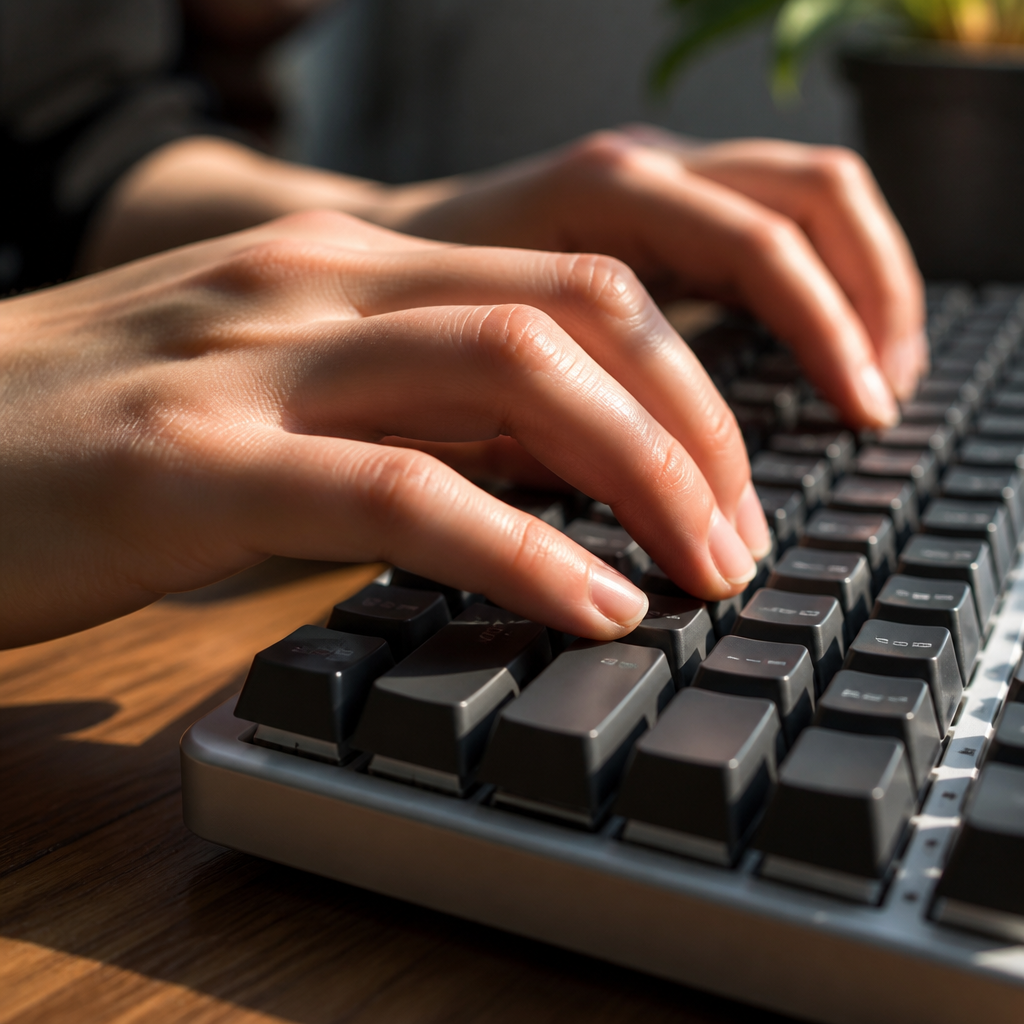
abs vs pbt keycaps shine and wear
Keycap “shine” is the glossy appearance that develops on surfaces with use as friction wears away the original texture. The rate at which shine appears is a major differentiator between ABS and PBT keycaps.
ABS keycaps tend to develop shine relatively quickly, with noticeable gloss appearing within 3-6 months of regular daily use. This is due to ABS’s softer nature (Shore D hardness of 75-85), which allows it to be polished more rapidly by fingertips. In stark contrast, PBT keycaps are renowned for their resistance to shine, retaining their matte finish for 2-4 years under the same daily usage conditions. PBT’s semi-crystalline structure and higher hardness (Shore D of 80-90) make it much more resilient to this polishing effect. Even double-shot ABS keycaps will develop shine at the same rate, as shine is a surface material characteristic, not related to how legends are applied.
abs vs pbt keycaps sound difference
The sound produced by keycaps is a subtle yet important aspect of the mechanical keyboard experience. Generally, ABS tends to produce higher-pitched, “clacky” sounds, while PBT typically creates lower-pitched, “thocky” sounds.
A primary reason for this sound difference is material density. PBT is denser (1.30-1.38 g/cm³) than ABS (1.04-1.07 g/cm³), meaning a PBT keycap is roughly 25-30% heavier than an ABS one. This increased weight contributes to a deeper sound profile. PBT’s semi-crystalline structure also allows for better “internal damping,” where more of the impact energy is absorbed within the plastic itself rather than reflecting as sound waves. This results in the lower-pitched, more muted sound that many users appreciate. ABS, being a more amorphous plastic, has different damping characteristics, leading to a sharper, “clacky” sound. Keycap thickness also plays a significant role; thicker keycaps sound deeper, and PBT keycaps are often made with thicker walls, further enhancing their naturally deeper sound.
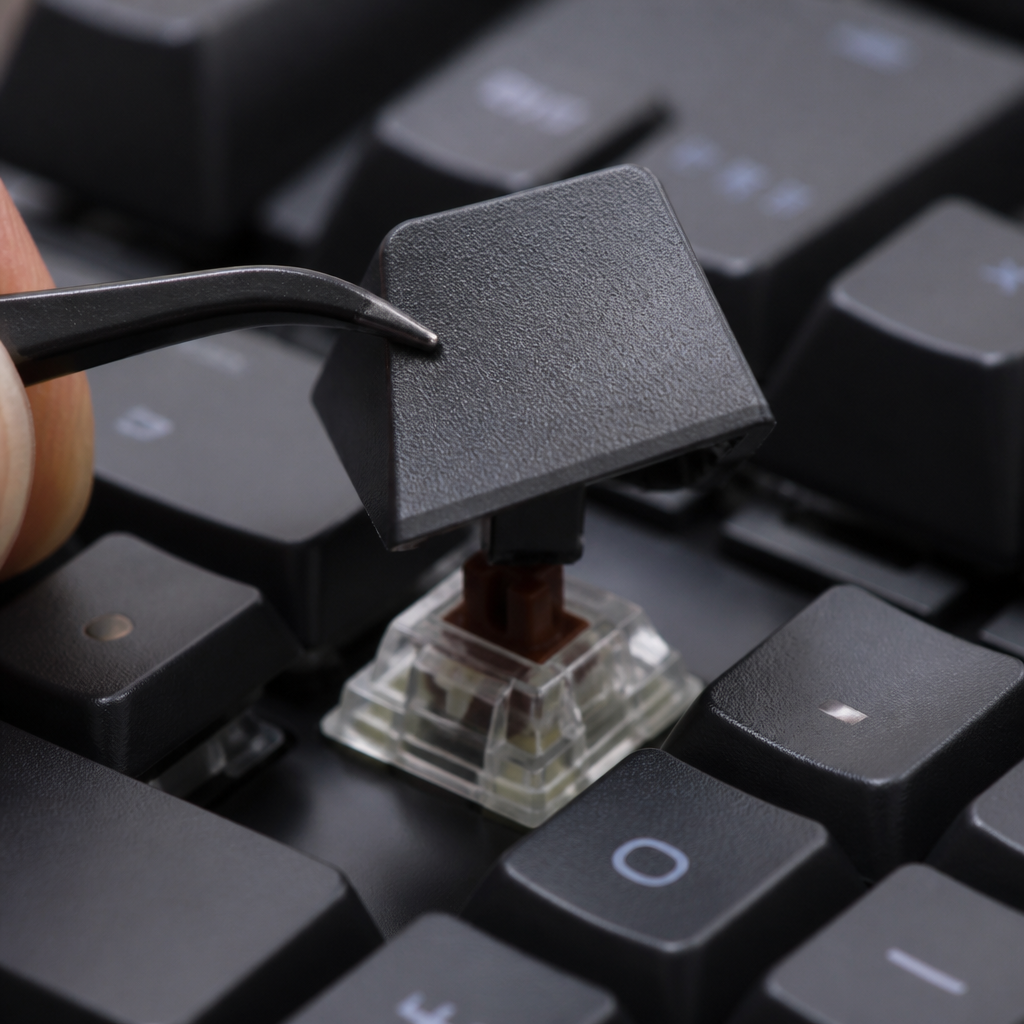
ABS vs PBT Keycaps: Practical Considerations and Recommendations
Beyond feel and sound, choosing between ABS and PBT keycaps involves practical considerations that affect daily use, especially for gamers, and your budget. Understanding these real-world factors is as important as the technical details.
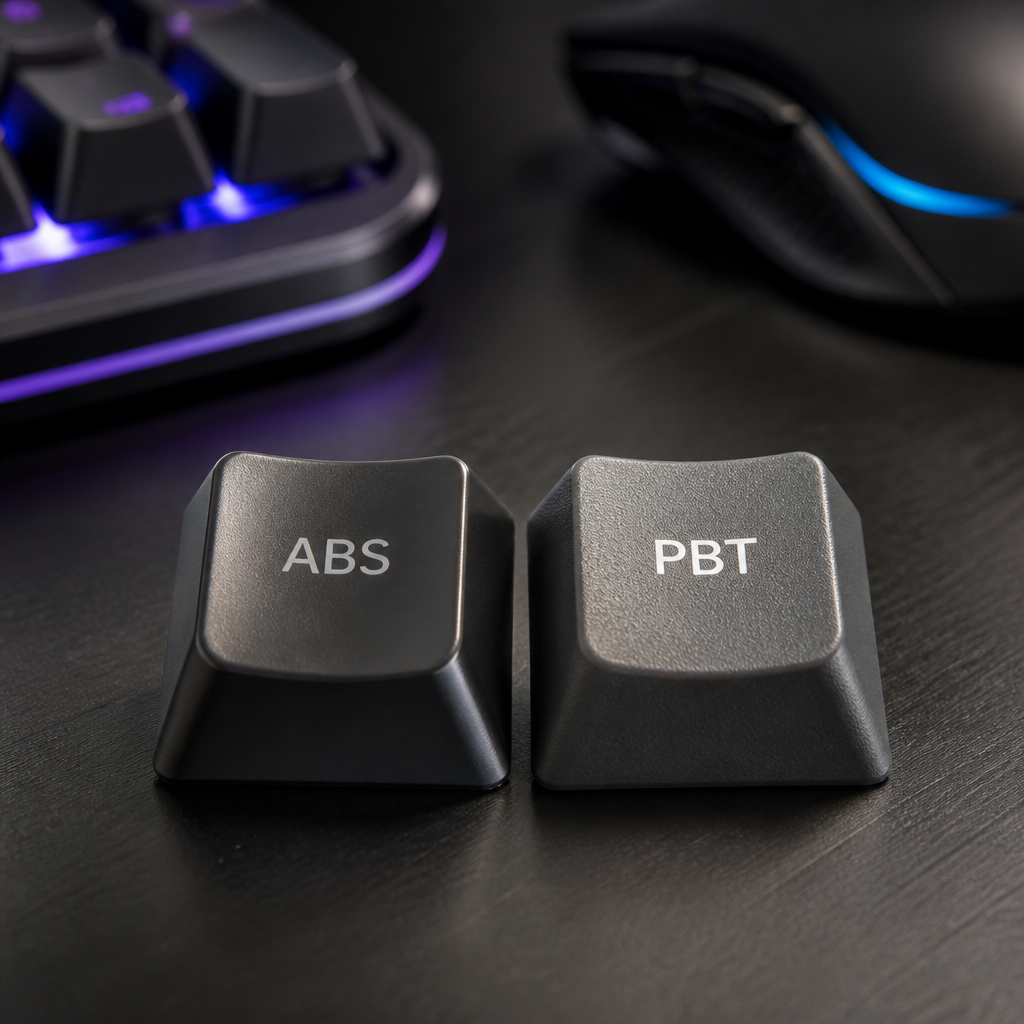
abs vs pbt keycaps for gaming
For gamers, keycap performance hinges on responsiveness, tactile feedback, and durability. Tests show no significant difference in input latency between ABS and PBT keycaps, as actuation speed is primarily determined by the switch. Professional esports players show a near-even split in preference (52% ABS, 48% PBT), suggesting personal comfort is most critical.
Durability under intense gaming is a key factor. Long gaming sessions cause ABS keycaps to develop shine much faster, particularly on primary keys like WASD. Under intensive use (8+ hours daily), ABS keycaps can become noticeably shiny in just 1-3 months, while PBT keycaps retain their texture for 12-18 months under the same conditions. For gamers who dislike the slick, shiny feel of worn ABS and desire a consistent, grippy surface, PBT clearly offers an advantage for long-term tactile consistency. Another consideration is RGB lighting. ABS generally allows more light to pass through, making it a better choice for vibrant “shine-through legends.” PBT, being denser, can result in dimmer RGB effects.
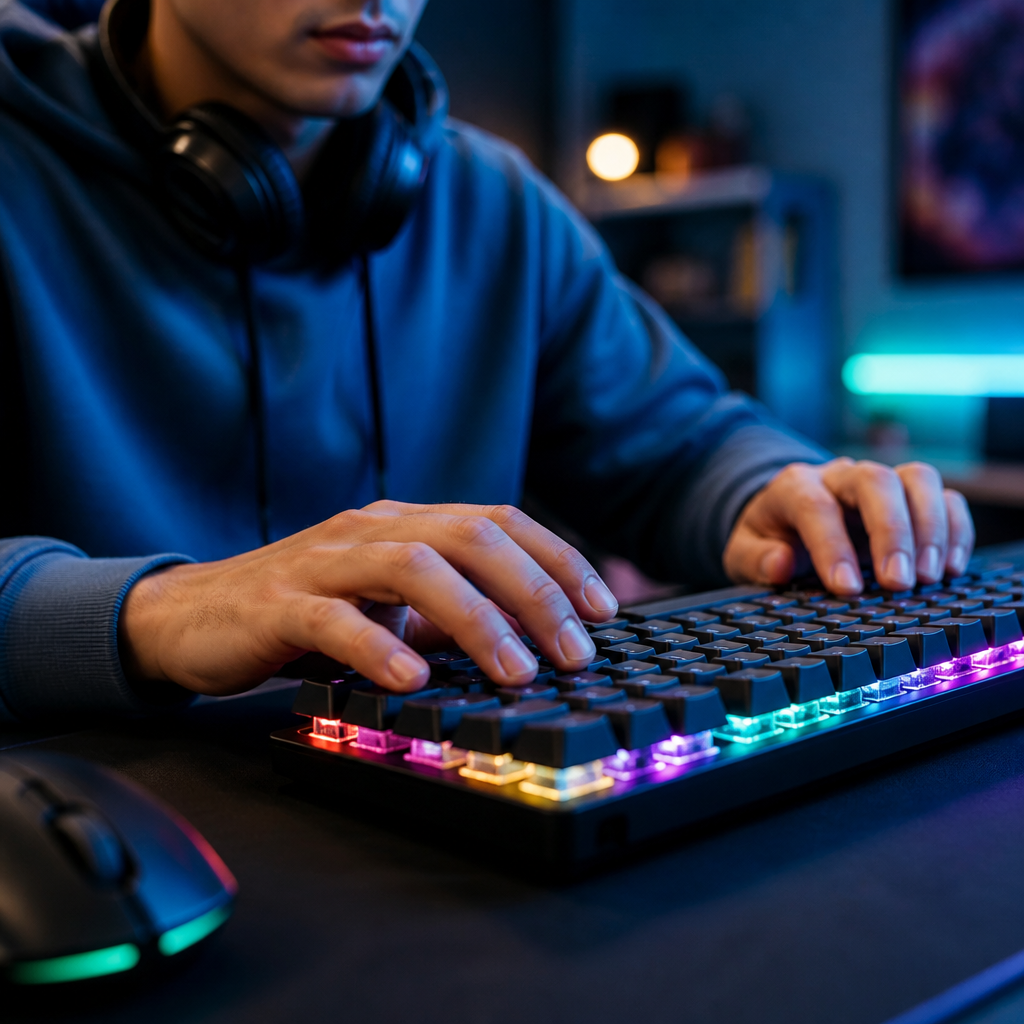
abs vs pbt keycaps price comparison
The price of keycaps is a significant factor, and there is a clear difference between ABS and PBT sets. The price reflects manufacturing costs, raw material expense, and production complexity. Generally, PBT keycaps are more expensive, often costing 30-80% more than comparable ABS sets.
This price disparity stems from several factors. Raw PBT plastic can be more costly, and manufacturing PBT is more challenging due to higher processing temperatures. The complexity of double-shot manufacturing contributes significantly to the cost. PBT plastic shrinks more upon cooling (1.5-2.0%) compared to ABS (0.4-0.7%), which necessitates highly precise molds and stringent controls.
Manufacturers often discuss the challenges of achieving flawless PBT double-shot production. The material’s high shrinkage rate demands incredible precision in tooling and processes to ensure perfect legend alignment.
Basic ABS keycap sets typically range from $15-$35, while comparable entry-level PBT sets are usually priced between $25-$55. _At the highest tiers, however, factors like unique designs and limited production runs can make both materials comparably expensive._ Despite the higher initial cost, many find PBT keycaps offer better long-term value due to their superior durability.
Which is Better: ABS vs PBT Keycaps?
Asking which material is “better” is a nuanced question, as the optimal choice depends entirely on your personal priorities and how you use your keyboard.
PBT keycaps excel in long-term durability and consistent feel. They are ideal for heavy typists or anyone who dislikes the slick, shiny feel that develops on keycaps over time. Their denser material also contributes to a deeper, “thocky” sound profile. On the other hand, ABS keycaps are often more affordable and come in a wider range of vibrant colors. They provide a smooth surface that some users prefer and are generally better for maximizing the visual impact of RGB keyboards. It is worth noting that some users actually prefer the smooth, “worn-in” feel that develops on ABS over time.
The table below summarizes the key differences:
| Feature | ABS Keycaps | PBT Keycaps |
|---|---|---|
| Texture | Smooth, glossy | Textured, matte |
| Shine Resistance | Low (shines in 3-6 months) | High (resists shine for 2-4 years) |
| Durability | Good | Excellent (more resistant to UV/chemicals) |
| Sound | Higher-pitched “clack” | Lower-pitched “thock” |
| Price | Lower ($15-$35 for basic sets) | Higher ($25-$55 for basic sets) |
| RGB Shine-Through | Generally brighter | Can be dimmer |
Ultimately, selecting between ABS and PBT keycaps is a personal decision. It involves balancing tactile preference, aesthetic appeal, desired longevity, and budget. Both materials offer distinct benefits, and understanding these differences empowers you to choose the keycaps that best enhance your individual typing experience.

Hi, I’m Alex Morgan.
Welcome to my blog! As a dedicated mechanical keyboard enthusiast, I’m passionate about exploring everything from custom builds to the finest details of switches and keycaps. My goal is to break down specs, sound profiles, and ergonomics to help you find the absolute best keyboard for your setup. Whether you’re a gamer, programmer, or desk setup fanatic, I’m here to share honest reviews and practical recommendations.