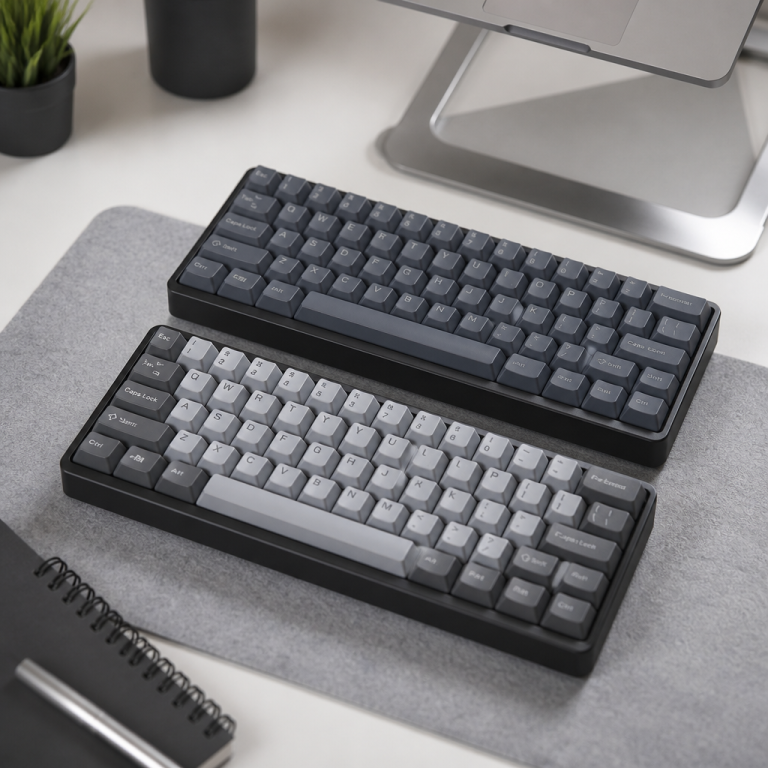
What Are Keycaps? 5 Essential Types You Need to Know
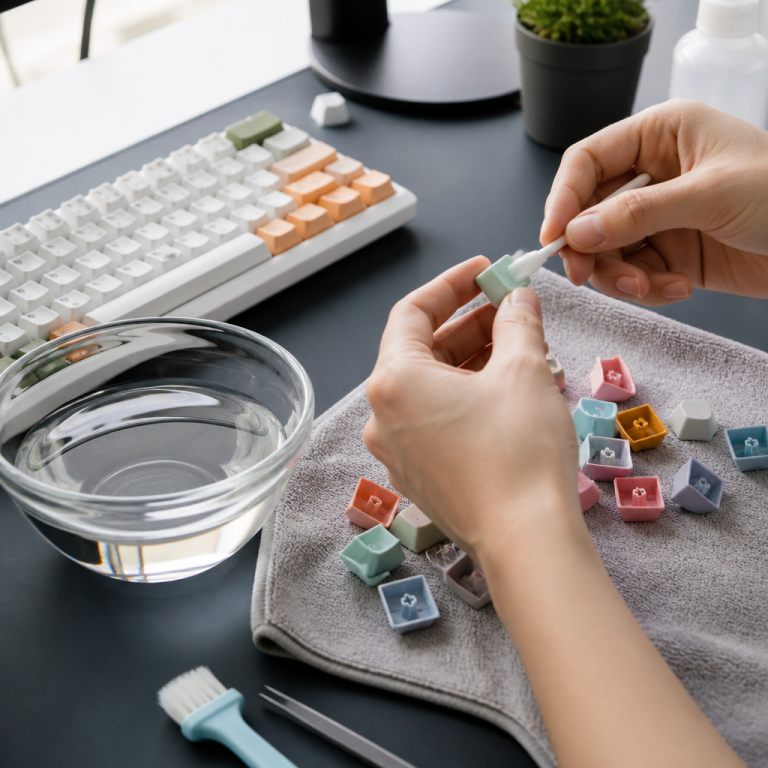
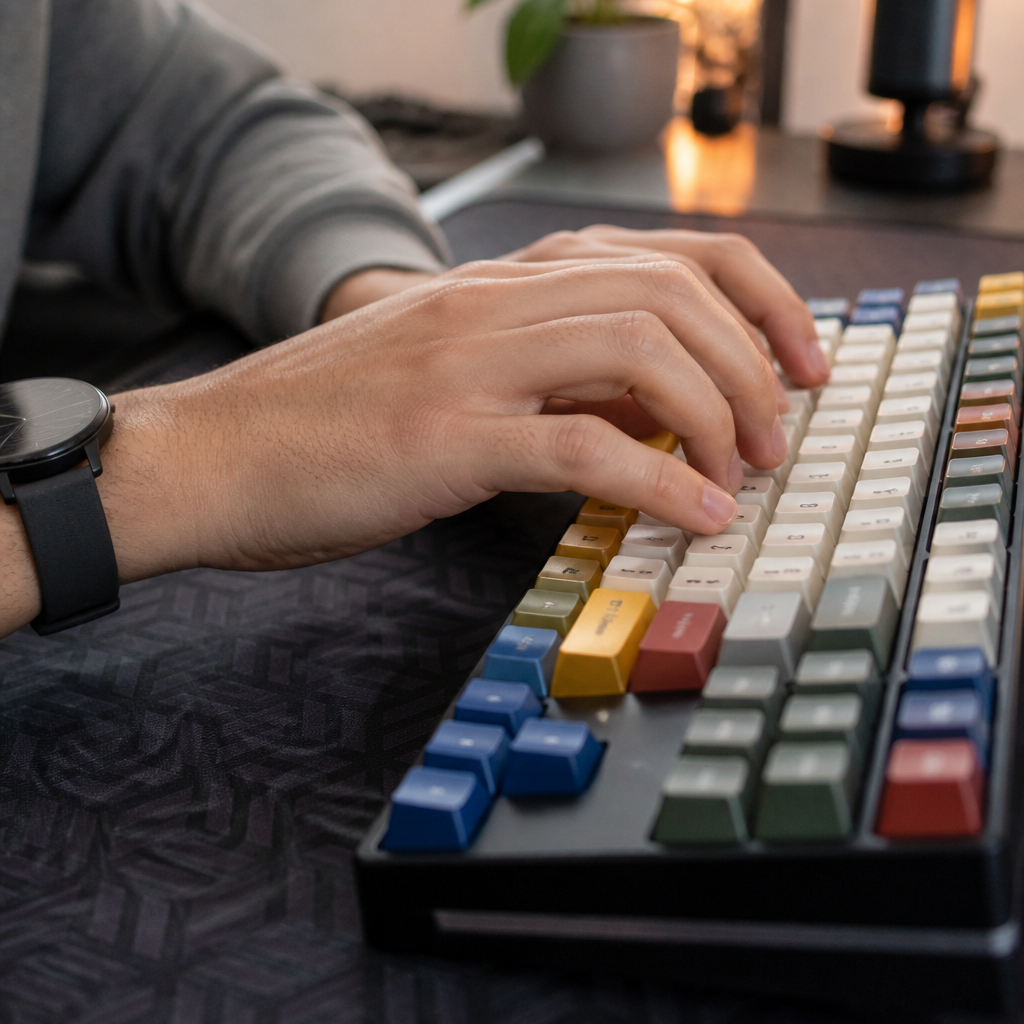
I still remember the first time I really saw keycaps. It wasn’t just about the letters on them, but the way they felt, the tiny universe of color and texture they offered. I was at a local tech meetup, and someone had this stunning keyboard with caps that felt like smooth river stones. It completely changed my perspective from ‘just a keyboard button’ to ‘a crucial piece of personal tech expression.’ Keycaps are the small covers that sit on your keyboard switches, providing the surface you touch when you type. But they are so much more than simple plastic hats; they are the heart of your mechanical keyboard’s feel, sound, and aesthetic.
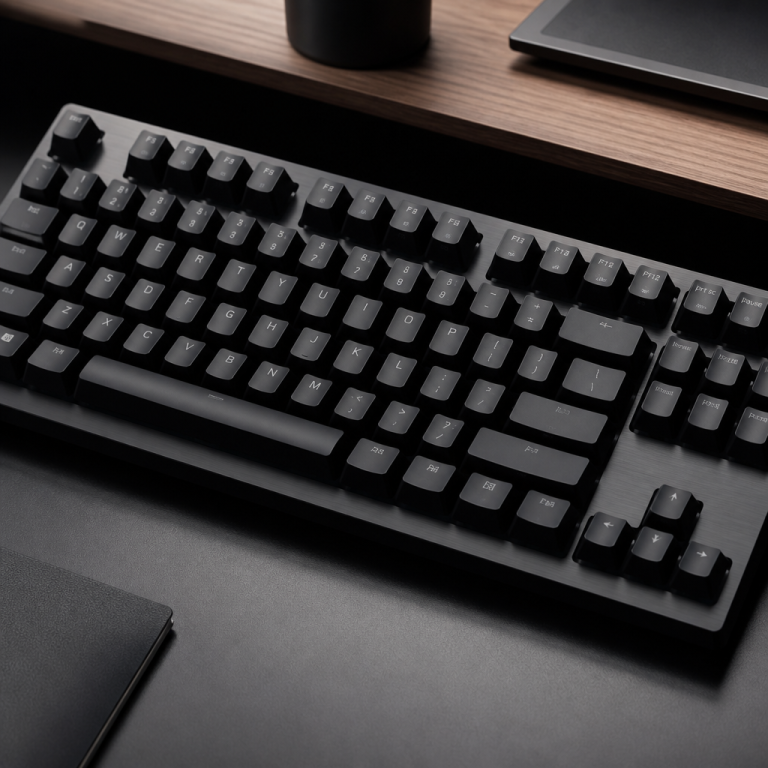
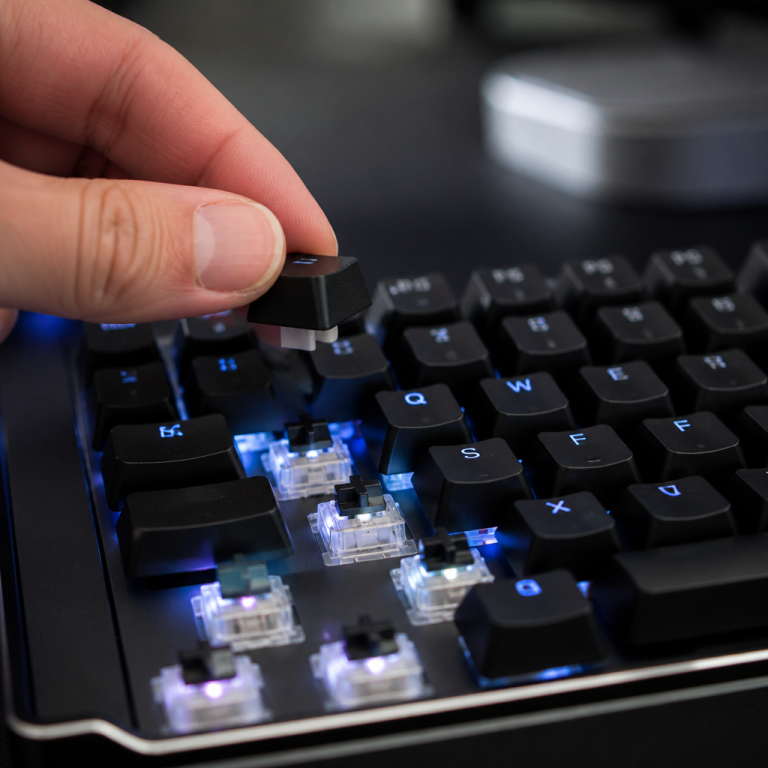
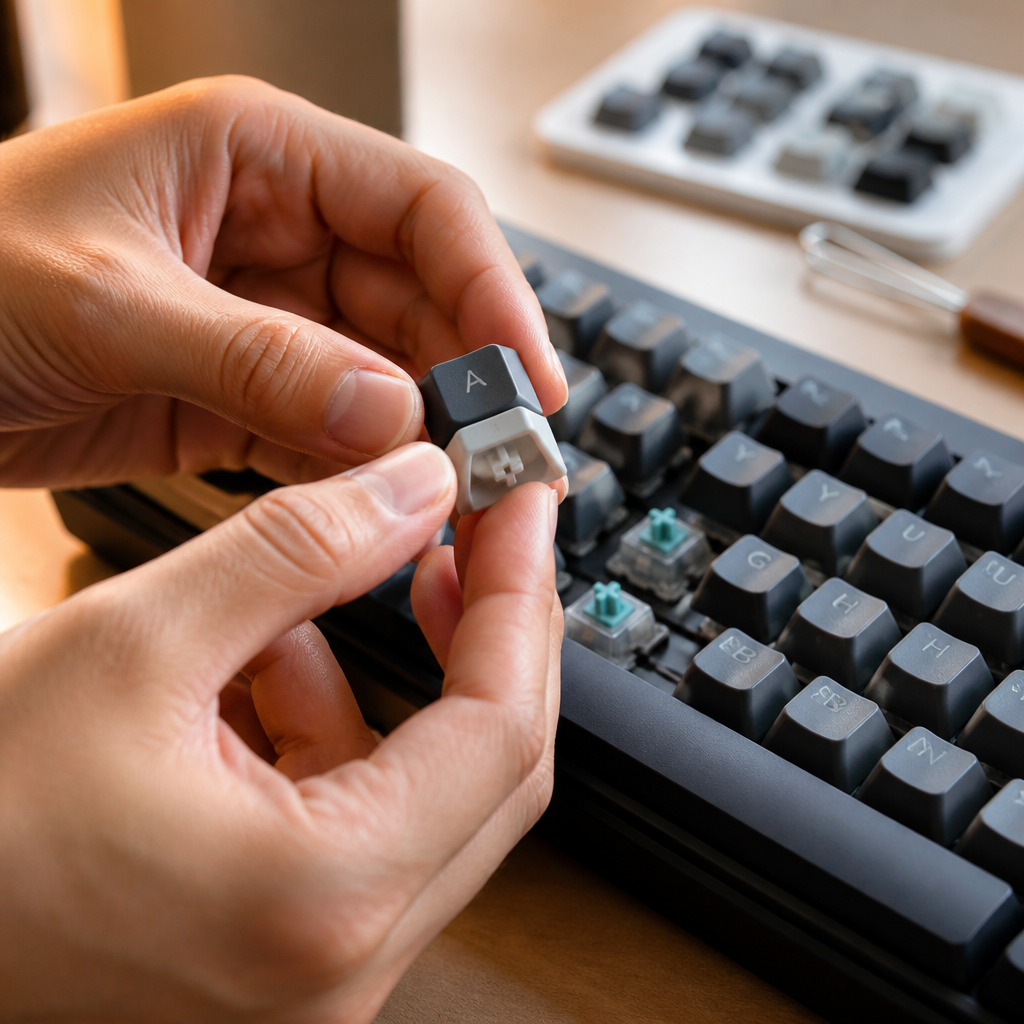
A standard set typically includes 104 to 108 keys designed for full-size keyboards. These sets feature different shapes and sizes for each row, ensuring a comfortable and ergonomic typing experience. Each cap connects to the switch beneath it via a small, cross-shaped stem mount. The Cherry MX-style cross stem is the industry standard, which thankfully means most keycap sets are compatible with the majority of mechanical switches.
The thickness of a keycap also plays a major role in its sound and performance, typically ranging from 1.0mm to 1.5mm. This seemingly small difference can dramatically alter your keyboard’s acoustics; thicker caps often produce a deeper, more substantial sound. Furthermore, thicker walls generally mean greater durability, resisting wear and tear over years of heavy use.
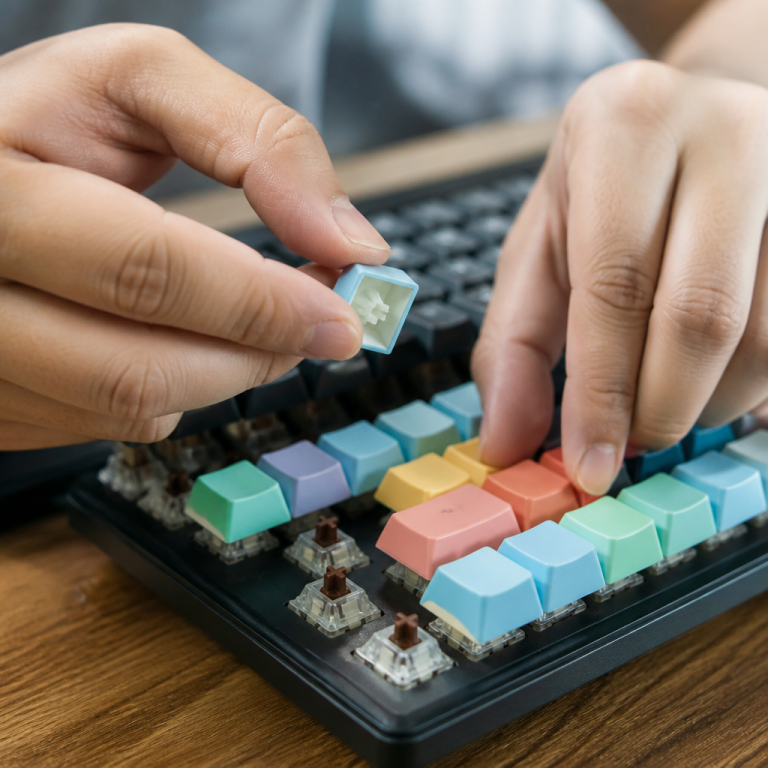
Beyond function, keycaps are a primary way to personalize your keyboard. With endless options in materials, manufacturing methods, profiles, and designs, enthusiasts can customize their setup to reflect their unique style. Discover how swapping out a keycap set is one of the easiest ways to refresh your typing experience, making it more enjoyable and uniquely yours.
Keycap Materials
The material used to create a keycap is the foundation of its feel, sound, and longevity. The two dominant plastics in the industry are ABS (Acrylonitrile Butadiene Styrene) and PBT (Polybutylene Terephthalate), each offering a distinct set of characteristics that cater to different user preferences. Understanding their differences is the first step to choosing the right set for you.
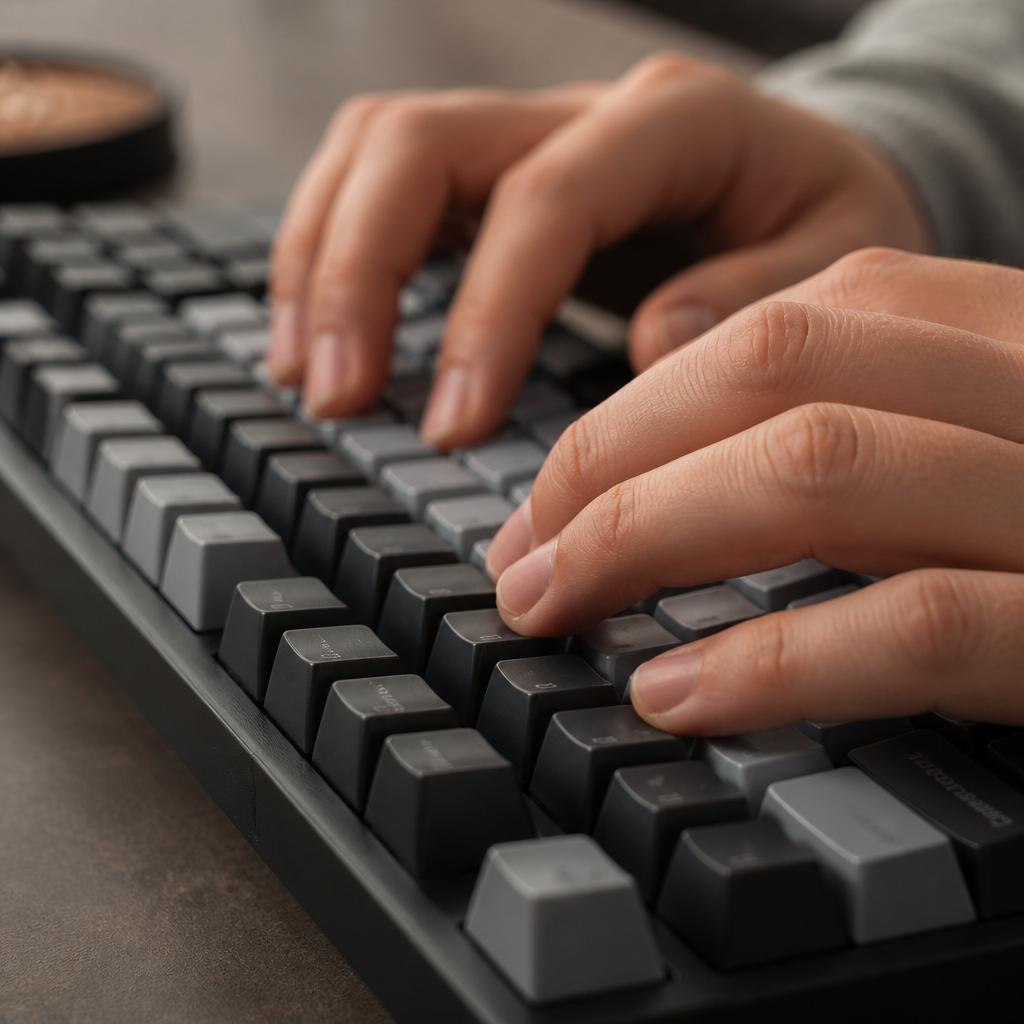
What are keycaps made of?
Most keycaps are crafted from either ABS or PBT plastic. These thermoplastics form the basis of nearly all keycap production, defining qualities like durability, texture, and appearance over time. ABS is a common choice for mass-market keyboards because it is inexpensive to produce. It’s known for its smooth surface and ability to showcase vibrant, rich colors.
PBT plastic, conversely, is considered a more premium material in the keyboard community. It has a higher heat resistance, melting at around 223°C compared to ABS’s 105°C, which contributes to its superior wear resistance. One of PBT’s most celebrated qualities is its resistance to friction and the oils from your fingers. This means PBT keycaps are far less likely to develop the smooth, greasy-looking “shine” that commonly plagues ABS sets after prolonged use.
According to Signature Plastics, a renowned keycap manufacturer, their 5-year wear tests demonstrated that PBT keycaps exhibited 73% less surface degradation than ABS counterparts under identical conditions.
However, manufacturing with PBT presents challenges. The material requires higher injection molding temperatures (220-260°C) and is prone to warping during cooling, making the production process more complex and costly. Beyond ABS and PBT, niche materials exist for specialty keycaps. Polycarbonate (PC) is used for its transparency, perfect for caps designed to maximize RGB lighting, while resin, wood, and metal are often used for unique, handcrafted artisan keycaps.
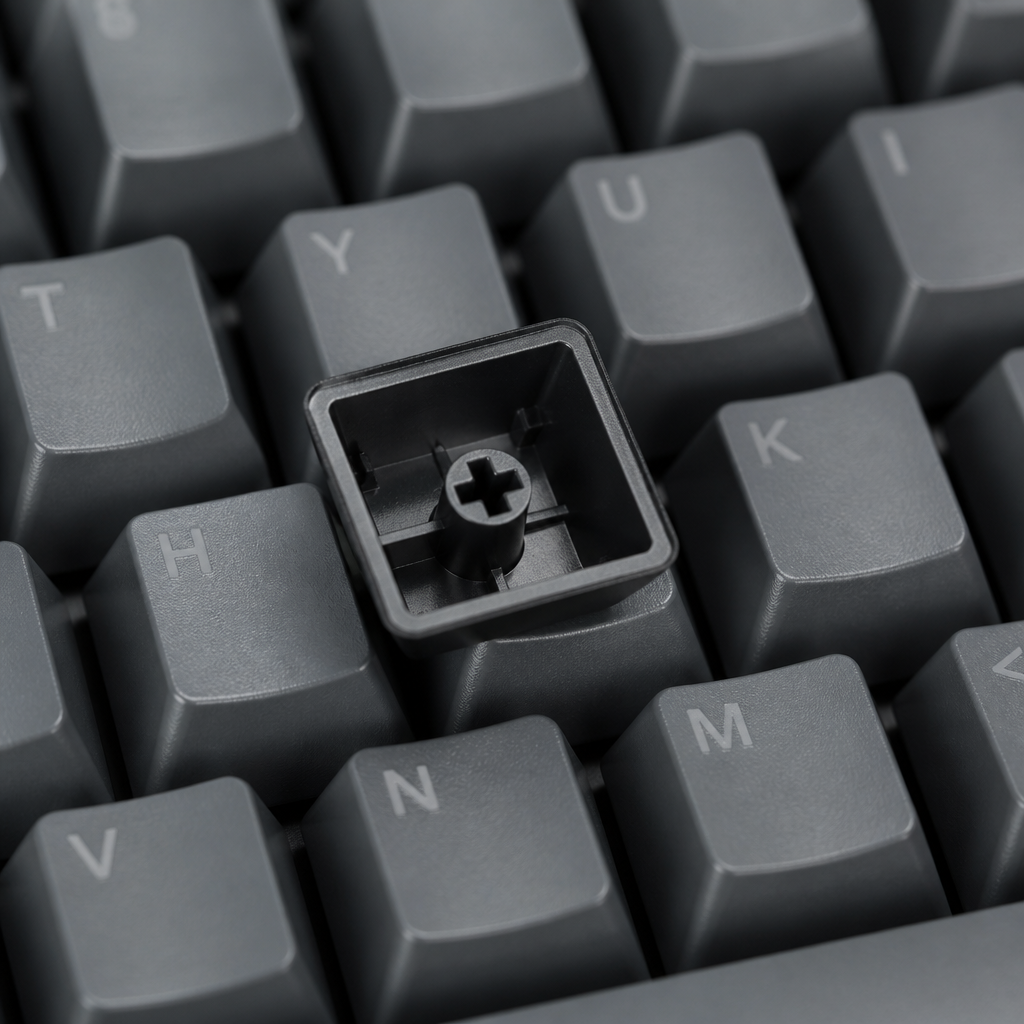
What are abs keycaps?
ABS (Acrylonitrile Butadiene Styrene) keycaps are a ubiquitous choice in the mechanical keyboard market, favored for their smooth texture and ability to produce vivid, saturated colors. The lower manufacturing cost of ABS plastic contributes to its widespread adoption, making it a staple for both budget-friendly and premium keycap sets. However, ABS has a well-known drawback: it develops a shiny, greasy look after about 6-12 months of consistent use. This “shine” occurs as the oils from your fingertips slowly break down the plastic’s surface, smoothing its original texture.
Beyond shine, ABS keycaps are also less resistant to chemicals and UV light than PBT, which can lead to yellowing over time, especially on lighter-colored sets. In terms of acoustics, they tend to produce a higher-pitched, “clacky” sound when typed on. This sharp auditory feedback is preferred by some enthusiasts who enjoy a crisper typing experience. Despite the common criticism regarding shine, many enthusiasts cherish high-quality, thick ABS keycaps for their aesthetic superiority. For some users, the brilliant colors and sharp legends offered by premium ABS manufacturers like GMK outweigh the eventual development of a surface sheen.
What are pbt keycaps?
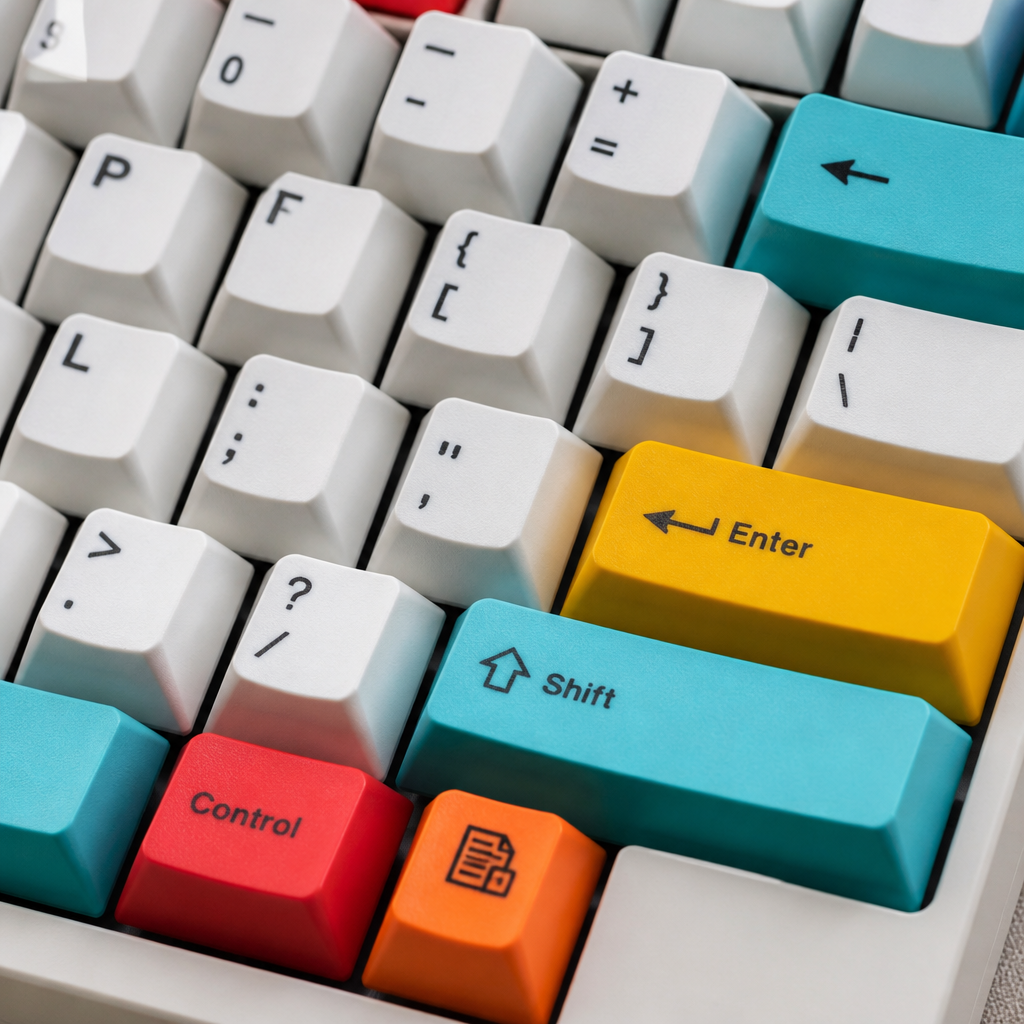
PBT (Polybutylene Terephthalate) keycaps are highly regarded in the enthusiast community for their exceptional durability, textured feel, and resistance to shine. As a semicrystalline polymer, PBT offers a distinct set of advantages for those seeking a long-lasting and consistent typing experience. Its chemical structure provides superior resistance to solvents and heat, and it absorbs significantly less moisture than ABS.
The most praised benefit of PBT is its ability to retain its matte, textured surface for years. Users can expect a set to feel like new for 3-5 years or more, even with heavy use, avoiding the smooth, slick spots that appear on ABS. Sonically, PBT’s higher density (around 1.31 g/cm³) compared to ABS (1.05 g/cm³) results in a deeper, more solid, and “thocky” sound. This lower-pitched acoustic profile is highly sought after by many keyboard builders.
| Feature | ABS (Acrylonitrile Butadiene Styrene) | PBT (Polybutylene Terephthalate) |
|---|---|---|
| Texture & Feel | Smooth | Textured, slightly grainy |
| Durability | Develops shine in 6-12 months | Highly shine-resistant (3-5+ years) |
| Sound Profile | Higher-pitched, “clacky” | Deeper, lower-pitched, “thocky” |
| Color Vibrancy | Excellent, vivid colors | Good, but often more muted or pastel |
| Warping | Low risk of warping | Higher risk, especially on large keys |
| Typical Cost | Lower | Higher |
Despite these benefits, PBT is more difficult to manufacture. It has a higher shrinkage rate as it cools, which can lead to slight warping, a common issue for larger keys like spacebars. _Be aware that the high shrinkage rate of PBT can sometimes lead to slight warping on larger keys like the spacebar._ Achieving the same color vibrancy as ABS is also challenging, often resulting in more muted tones.
Keycap Manufacturing Techniques
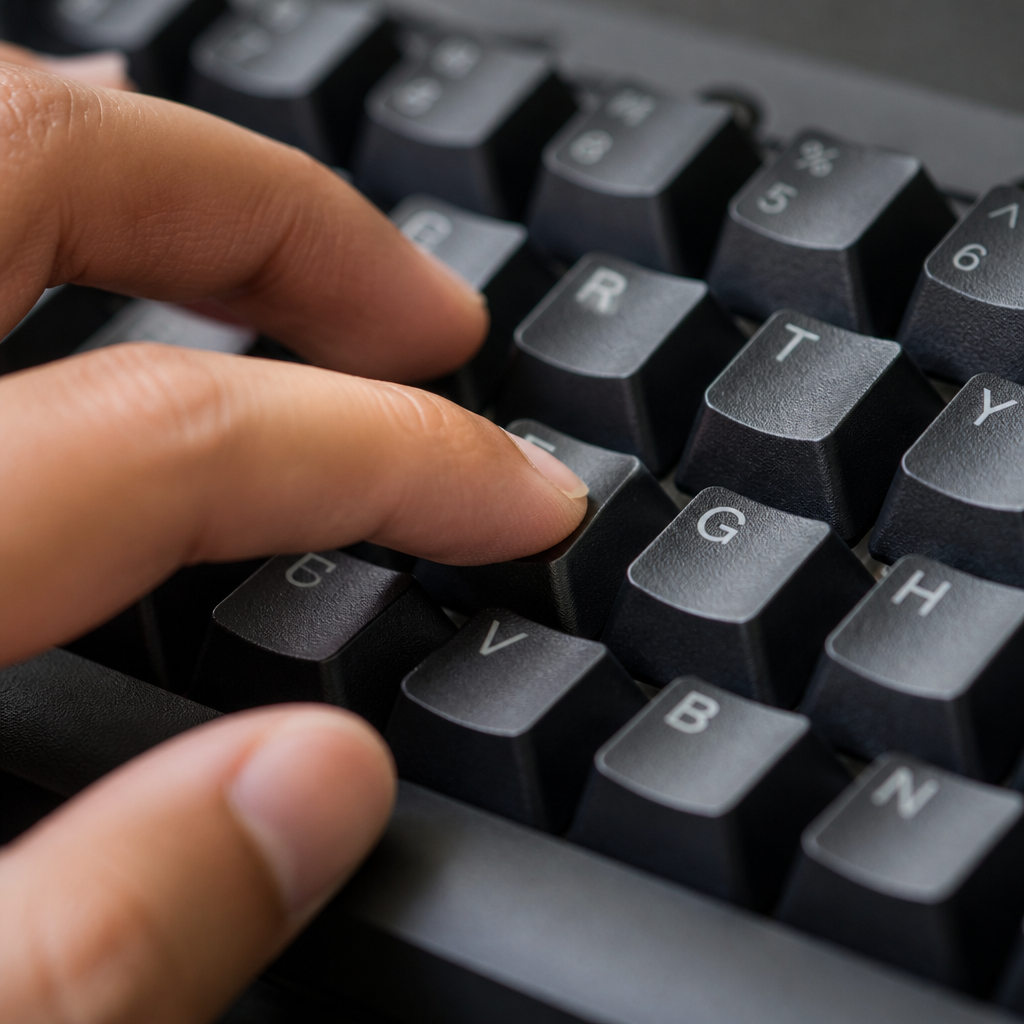
The method used to print legends (the letters and symbols) onto a keycap is just as important as the material itself, directly impacting their longevity and clarity. The most common techniques range from simple surface printing to complex multi-step molding processes, each with its own trade-offs in durability, design flexibility, and cost.
What are double shot keycaps?
Double-shot keycaps are considered the gold standard for legend durability. This advanced manufacturing method involves a two-step molding process. First, the legend itself is molded from one color of plastic. This legend insert is then placed into a second, larger mold, and a different color of plastic is injected around it to form the keycap’s main body. The result is a keycap where the legend is a physical piece of plastic embedded within the cap.
The primary advantage of this technique is its incredible durability. Because the legends are physically part of the structure, they will never fade, chip, or wear away, lasting as long as the keycap itself. This makes double-shot keycaps an excellent investment for heavy typists. This method also allows for high-contrast “reverse legends” (light legends on dark keycaps) that are difficult to achieve with other methods.
However, this complexity comes at a cost. The intricate tooling and two-step process make double-shot keycaps significantly more expensive than printed alternatives, with molds alone costing tens of thousands of dollars. Material compatibility is also a key factor, as this process works best with ABS plastic, where the two shots of plastic bond together seamlessly. While PBT double-shot keycaps exist, they are more challenging and costly to produce due to PBT’s higher melting point and shrinkage.
What are dye sub keycaps?
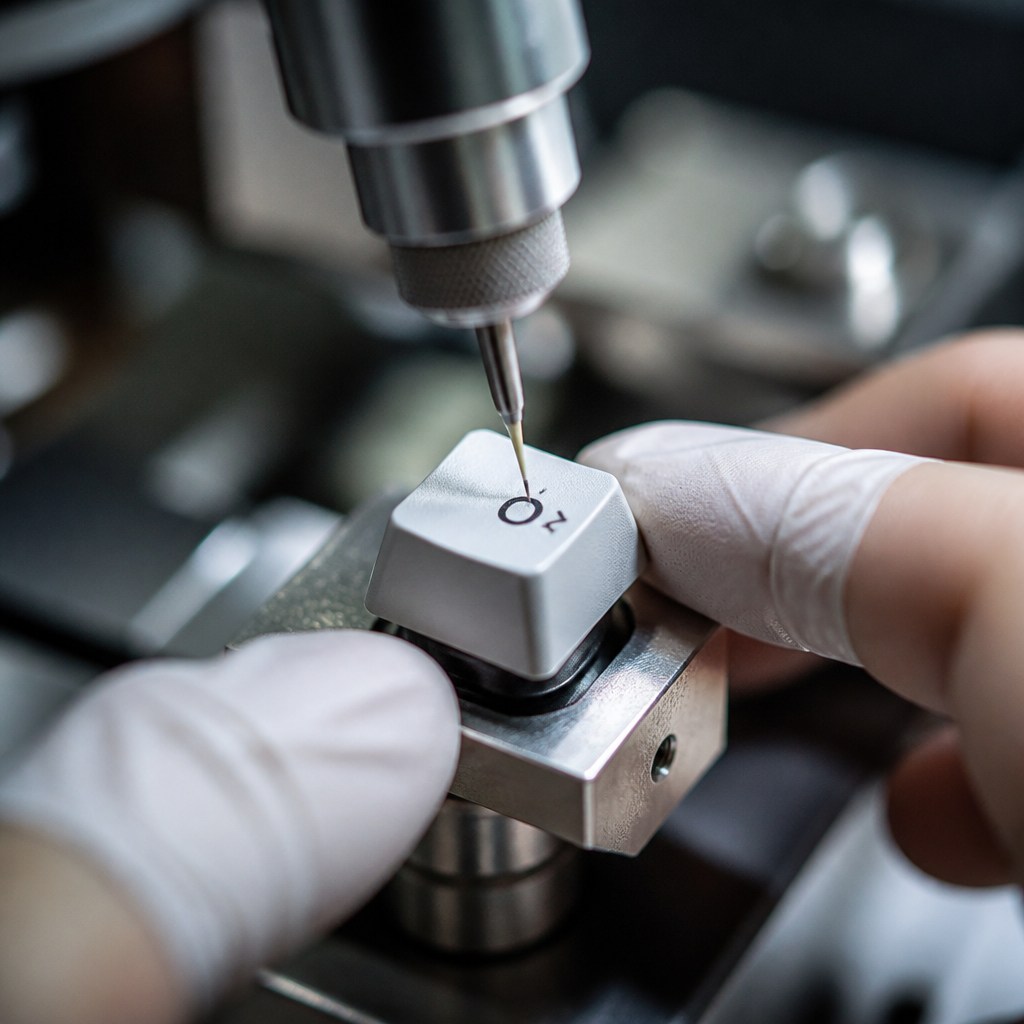
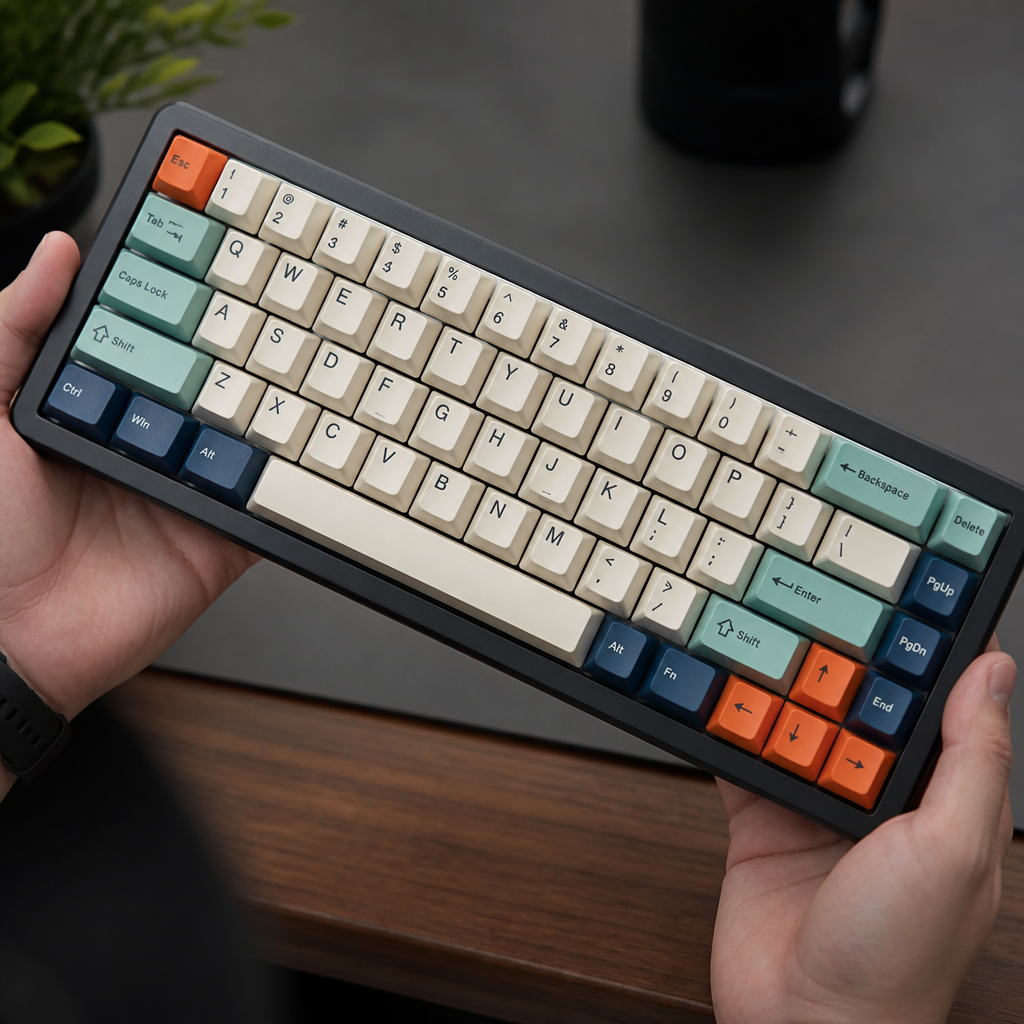
Dye-sublimation, or “dye-sub,” is an advanced printing technique that creates incredibly durable legends by infusing dye directly into the plastic. Unlike methods that print on the surface, this process uses heat and pressure to turn special dyes into a gas that permeates the keycap’s surface. As the plastic cools, the dye solidifies within it, creating a smooth, permanent legend that cannot be felt and is highly resistant to wear.
The process allows for highly detailed and complex multi-color designs, including gradients and intricate artwork that would be impossible with double-shot molding. This design flexibility has made dye-sublimation a favorite among designers. Critically, this method works almost exclusively with PBT plastic, as its high heat resistance can withstand the sublimation process without deforming.
“Dye-sublimation has democratized the custom keycap market by enabling smaller vendors and designers to produce small batches with complex artwork at reasonable costs, avoiding the high investment of double-shot molds.” – Alex Ong, Founder of CannonKeys
A key technical limitation is that the process works best for applying darker legends onto lighter-colored keycaps. _Note that dye-sublimation only works for applying dark legends onto lighter-colored keycaps._ Because the dye permeates the plastic, it cannot cover a darker base color. Despite this, dye-sublimation offers an excellent balance of durability, design freedom, and cost, making it a popular choice for high-quality PBT sets.
What are shine through keycaps?
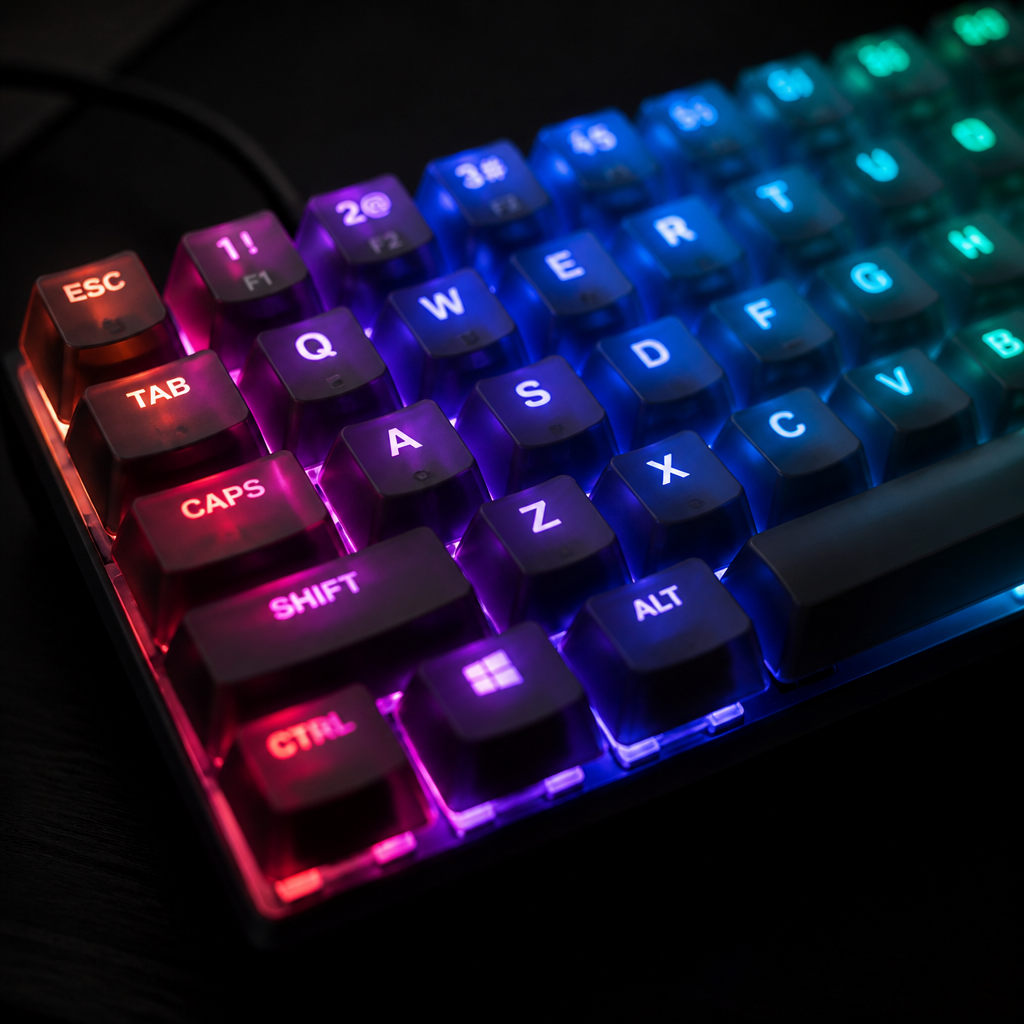
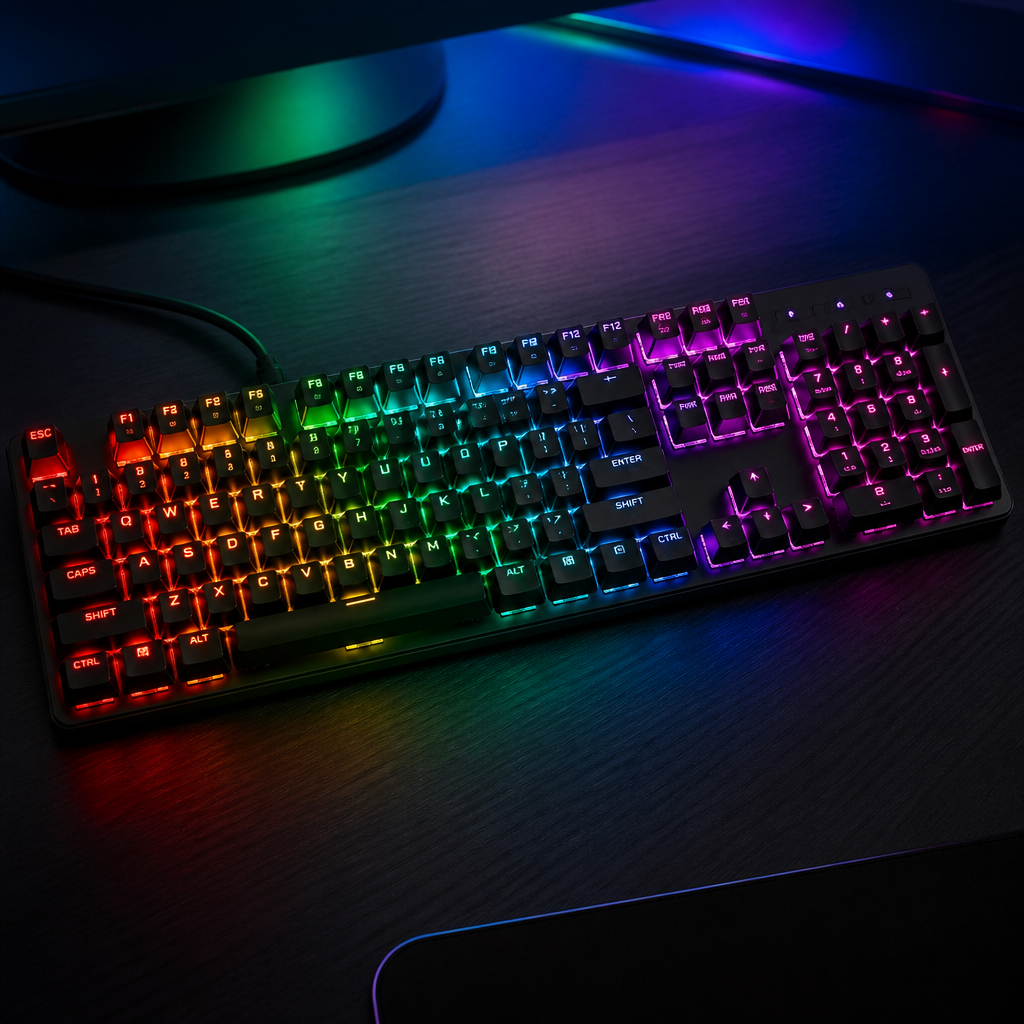
Are you looking to enhance your keyboard’s RGB lighting? Shine-through keycaps are specially designed for this purpose. Their defining characteristic is the use of translucent plastic for the legends, which allows the light from underlying LEDs to illuminate the characters. This design is extremely popular with users who want to maximize their keyboard’s lighting effects, especially in low-light environments.
The construction typically involves a double-shot molding process where translucent plastic is used for the legend layer and opaque plastic is used for the keycap body. This combination allows light to pass through the characters while blocking it elsewhere, creating a sharp, glowing effect. Alternatively, some are made by laser-etching a layer of paint off a translucent cap.
However, the materials required for translucency often involve compromises in feel and durability compared to fully opaque keycaps. While they look spectacular in the dark, the transparent elements can sometimes appear less premium in bright daylight when the backlighting is off. The market for these keycaps is heavily focused on gaming keyboards, with brands like Razer, Corsair, and HyperX offering affordable sets to complement their RGB-enabled products.
What are backlit keycaps?
In the keyboard community, “backlit keycaps” and “shine-through keycaps” are terms that are often used interchangeably. Both refer to keycaps engineered to allow light from a keyboard’s LEDs to pass through, illuminating the legends and/or the keycap itself. The primary goal is to improve visibility in low-light conditions and create visually striking RGB lighting displays.
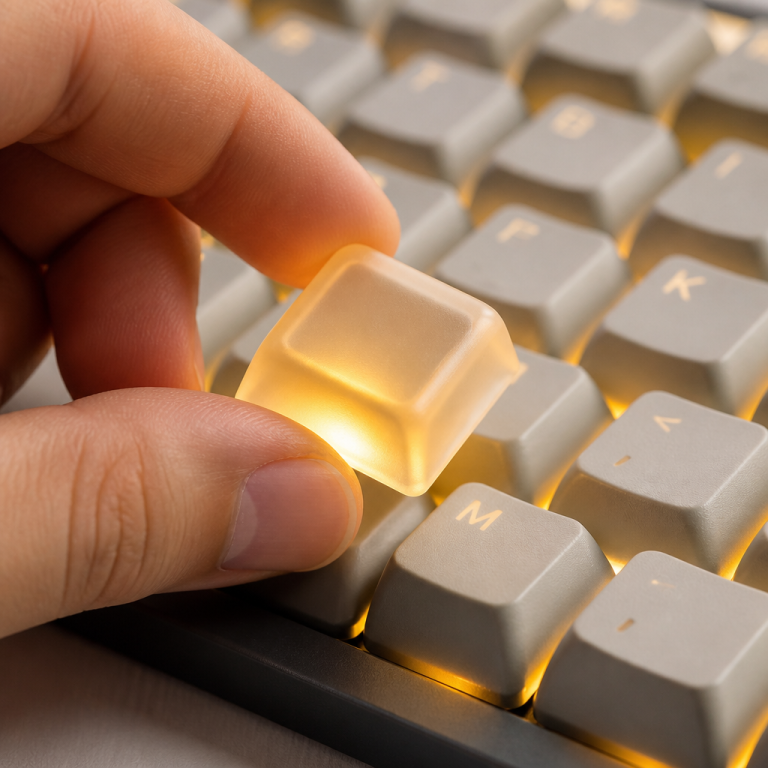
While the terms are largely synonymous, minor technical differences can exist. Some designs might use side-printing with translucent windows positioned over the LED, while others, often called “jelly” keycaps, are made from entirely translucent material to create a widespread, diffuse glow.
Regardless of the specific construction, backlit keycaps are designed to integrate seamlessly with keyboards featuring per-key RGB illumination. They are engineered to ensure efficient light transmission through the legends, making characters easily legible in the dark. For users who value both aesthetics and functionality, particularly those who game or type in dimly lit settings, backlit keycaps are an essential component for a fully immersive and customizable setup.
Keycap Profiles and Shapes
Beyond material and legend printing, the physical shape of a keycap—its profile—is a critical element that defines the typing experience. Profiles determine the height and contour of each key, influencing ergonomics, finger travel, and the overall look of the keyboard. From the sculpted, familiar shape of OEM to the flat, uniform layout of DSA, there is a profile to suit every preference.
What are oem keycaps?
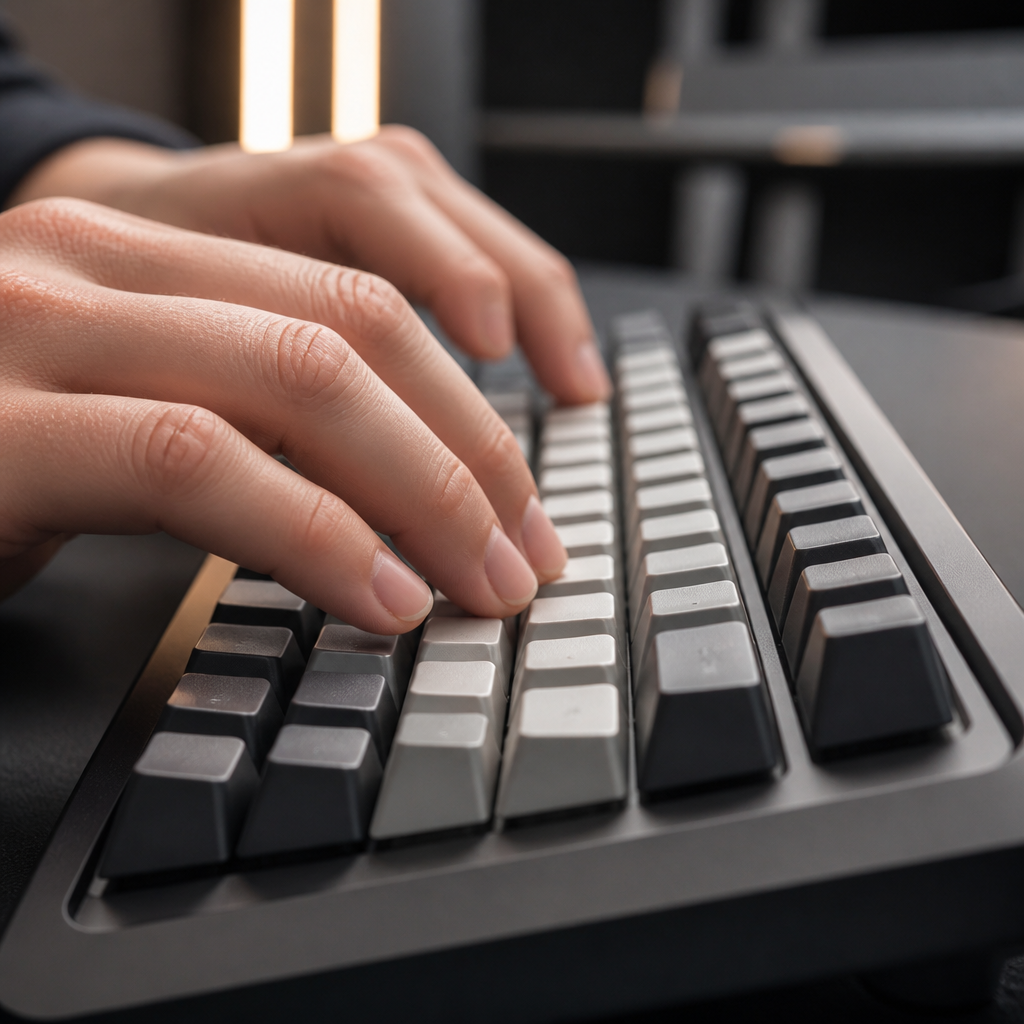
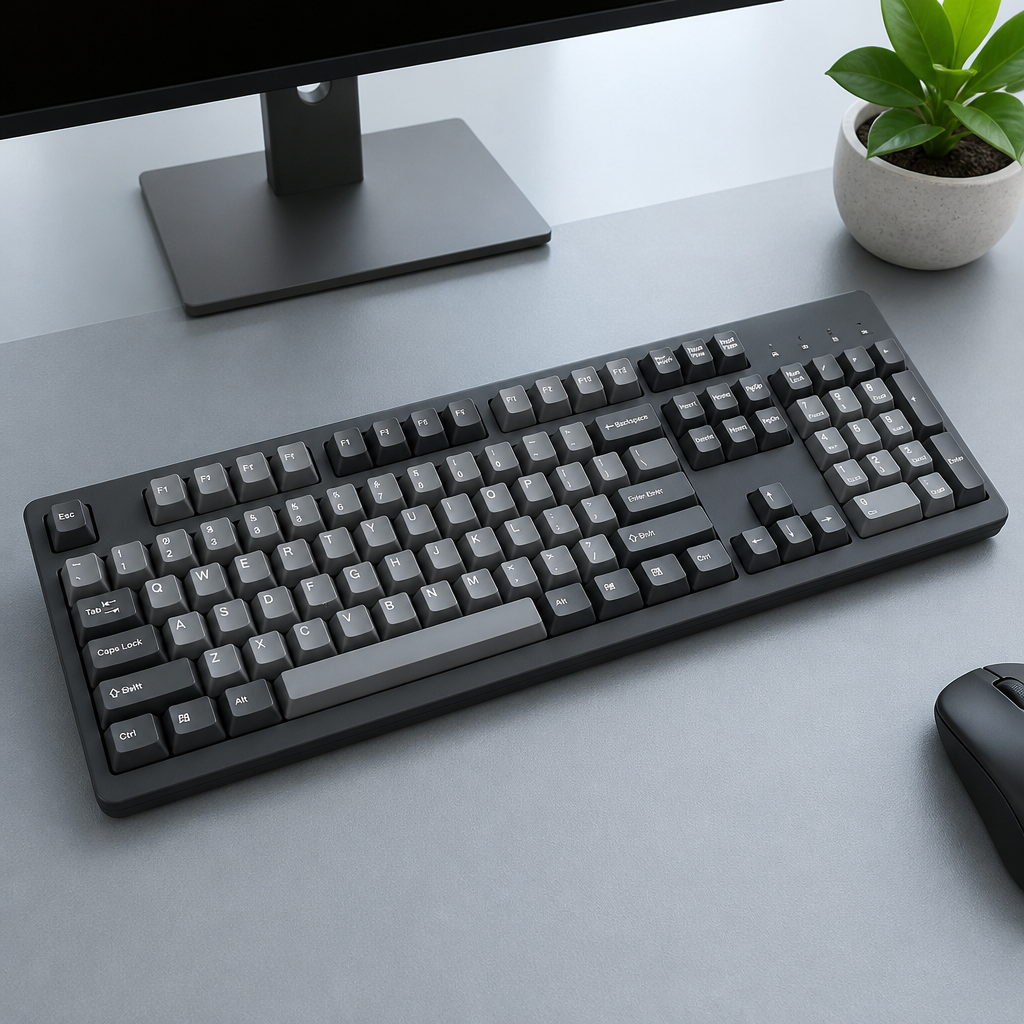
OEM (Original Equipment Manufacturer) profile is the most common standard in the mechanical keyboard world, found on the vast majority of pre-built keyboards from major brands. It features a sculpted design, meaning each row has a different height and angle, creating a comfortable, sloped typing surface that slopes down toward the user. The keycaps themselves have cylindrical tops that are slightly curved to cradle the fingertips.
This ergonomic contour is designed to minimize finger travel and provide a natural typing posture. The familiar shape and feel make the OEM profile an intuitive choice for anyone transitioning from a standard membrane keyboard. It is estimated that around 70% of pre-built mechanical keyboards from brands like Corsair, Razer, and Logitech use this profile. The combination of its widespread availability, familiar feel, and affordable price makes OEM a foundational and highly practical keycap profile.
What are dsa keycaps?
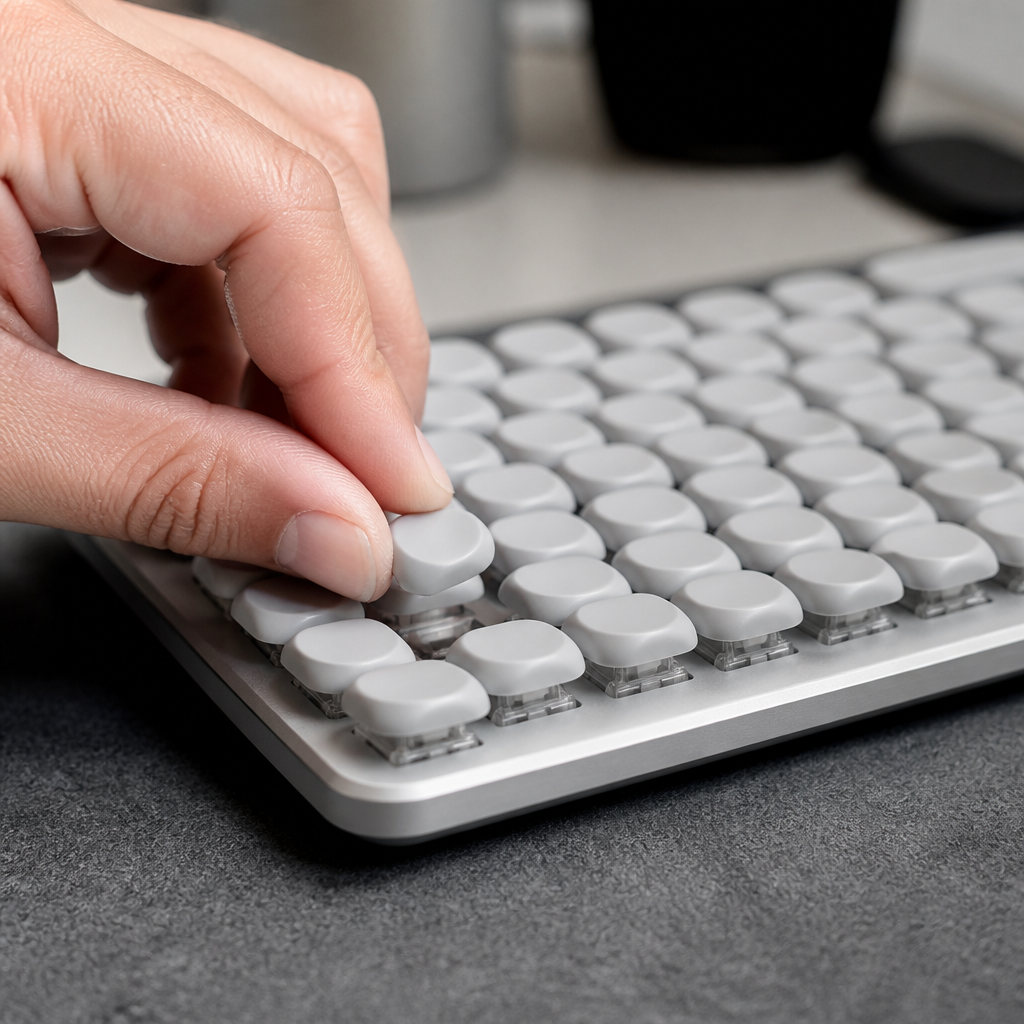
DSA (DCS Spherical All) is a popular uniform keycap profile, meaning every key has the same height and shape regardless of its row. This creates a distinctively flat keyboard layout. DSA keycaps feature a low-to-medium height and have spherical (bowl-shaped) tops designed to help center your fingers.
The uniform nature of the DSA profile offers unique flexibility. Since all caps are identical in shape, users can easily rearrange them for alternative layouts like Dvorak or Colemak without creating an uneven typing surface. This makes DSA a favorite among enthusiasts who enjoy deep customization or use non-standard keyboard layouts like ortholinear grids. The typing experience is unique, and while it often requires a short adjustment period, many users grow to love its minimalist aesthetic and consistent feel.
What are mda keycaps?
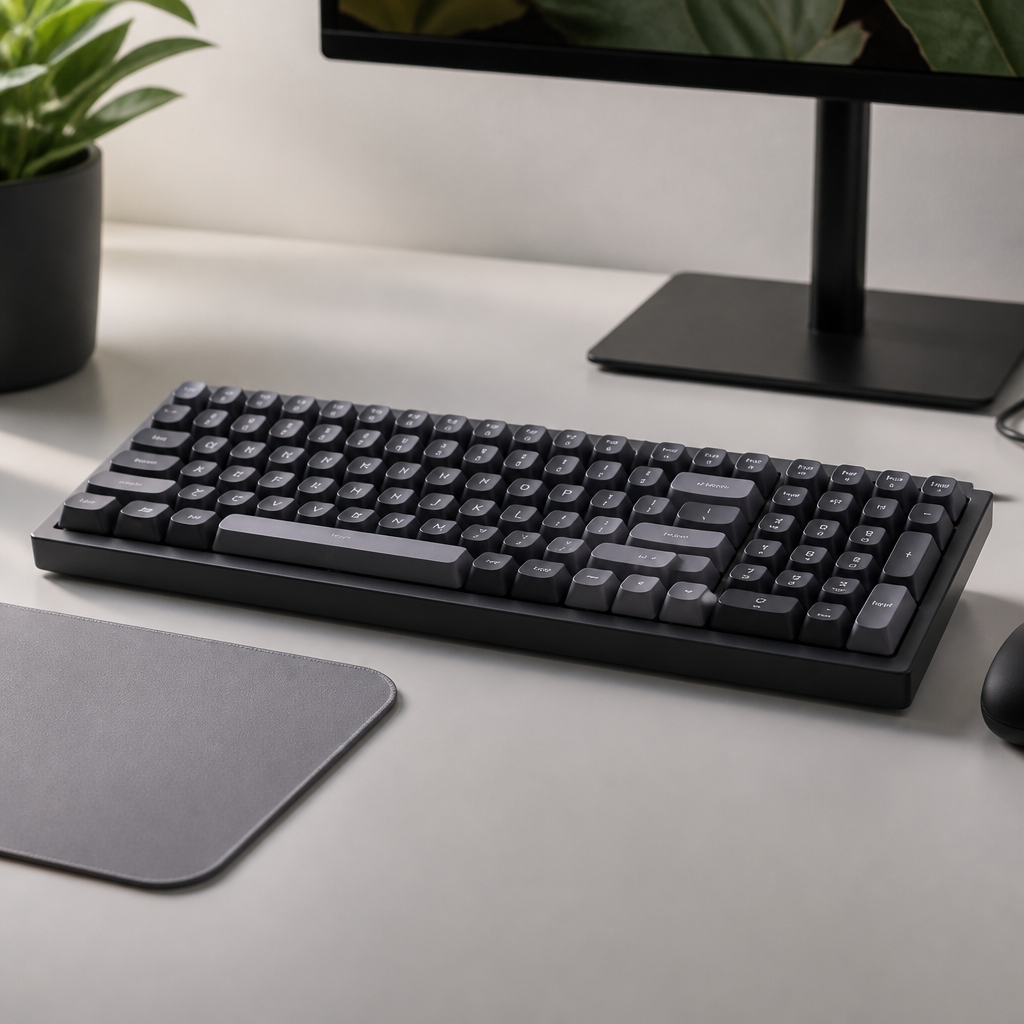
MDA (Modern Dished Angled) is a hybrid keycap profile that seeks to blend the uniform, spherical comfort of DSA with the ergonomic benefits of a gently sculpted profile. It is a medium-height profile that features spherical tops on all keys but incorporates a subtle sculpted angle across the rows. This design provides some tactile differentiation between rows without the dramatic height changes of profiles like OEM or SA.
The MDA profile was developed by Melgeek as a modern solution for typists who enjoy the finger-centering feel of spherical keycaps but miss the gentle contour of a sculpted layout. Its moderate height and slight ergonomic curve offer a comfortable middle-ground experience, making it a compelling choice for those seeking a balanced, modern feel. While still a more niche option, MDA has gained a following among users who find traditional sculpted profiles too aggressive and uniform profiles too flat.
What are low profile keycaps?
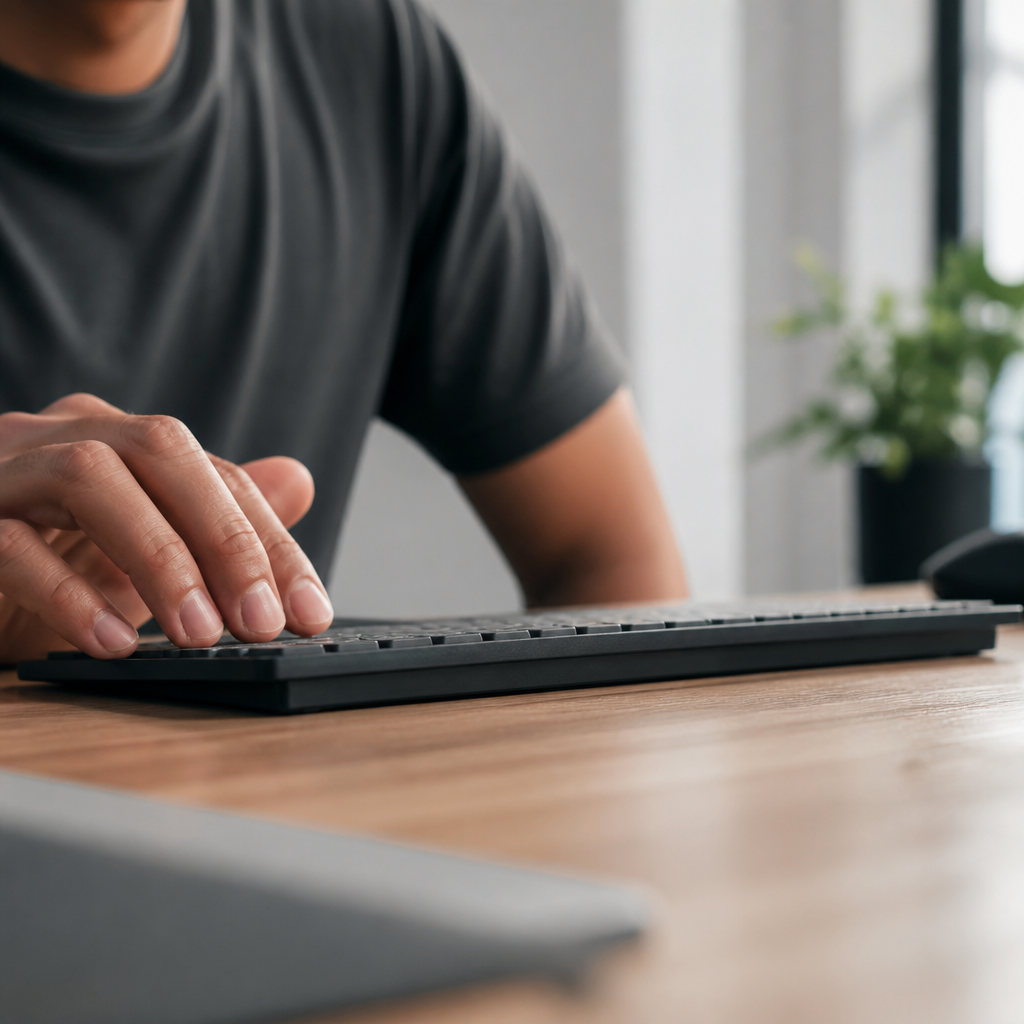
Low-profile keycaps are a specialized category designed to dramatically reduce the height and key travel of a mechanical keyboard. Paired with corresponding low-profile switches, these keycaps create a significantly slimmer keyboard, often 30-50% thinner than a standard one. This makes them ideal for minimalist desk setups, portable use, or for individuals who prefer a typing experience similar to that of a high-quality laptop.
The design trade-off is a shorter key travel distance (typically 3.0-3.5mm versus the standard 4.0mm), which can result in faster key actuation, appealing to some gamers. However, this also means less pronounced tactile feedback. _It is crucial to know that low-profile keycaps are not compatible with standard mechanical switches and require specific low-profile switch types_, such as Kailh Choc or Cherry MX Low Profile. Customization options are more limited compared to standard profiles, but this market segment is growing, led by brands like Keychron and Logitech.
Special and Aesthetic Keycap Types
For many enthusiasts, keycaps are more than just functional components; they are a form of personal expression. This has given rise to a variety of special keycap types that prioritize aesthetics, visual effects, and artistry. From the vibrant glow of pudding keycaps to the handcrafted detail of artisan keycaps, these options allow users to turn their keyboard into a centerpiece.
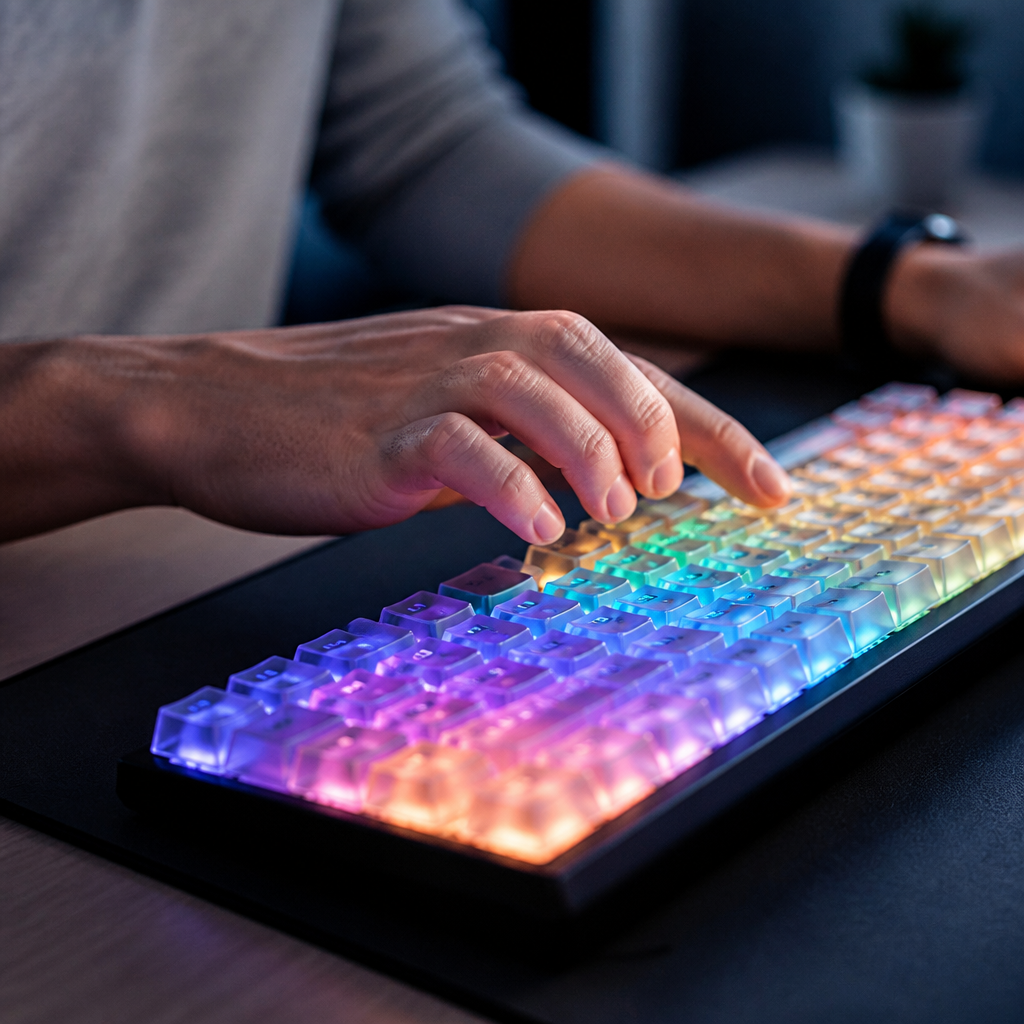
What are pudding keycaps?
What makes pudding keycaps so visually appealing? Their unique two-layer design is engineered to maximize the effect of RGB backlighting. They feature a solid, opaque top combined with translucent, milky-white sides. This construction allows light from the keyboard’s LEDs to shine brightly through the sides, creating a stunning “underglow” or halo effect around each key, while the legends on top remain crisp and clear.
This effect is typically achieved with a double-shot molding process using ABS plastic. The design makes the keyboard appear to be floating on a bed of light, an effect that has made pudding keycaps extremely popular in the gaming community. HyperX was instrumental in popularizing this style, and today they are an accessible and impactful upgrade for any RGB-enabled keyboard. They are a budget-friendly way to dramatically enhance a keyboard’s lighting display, turning it into a vibrant light show.
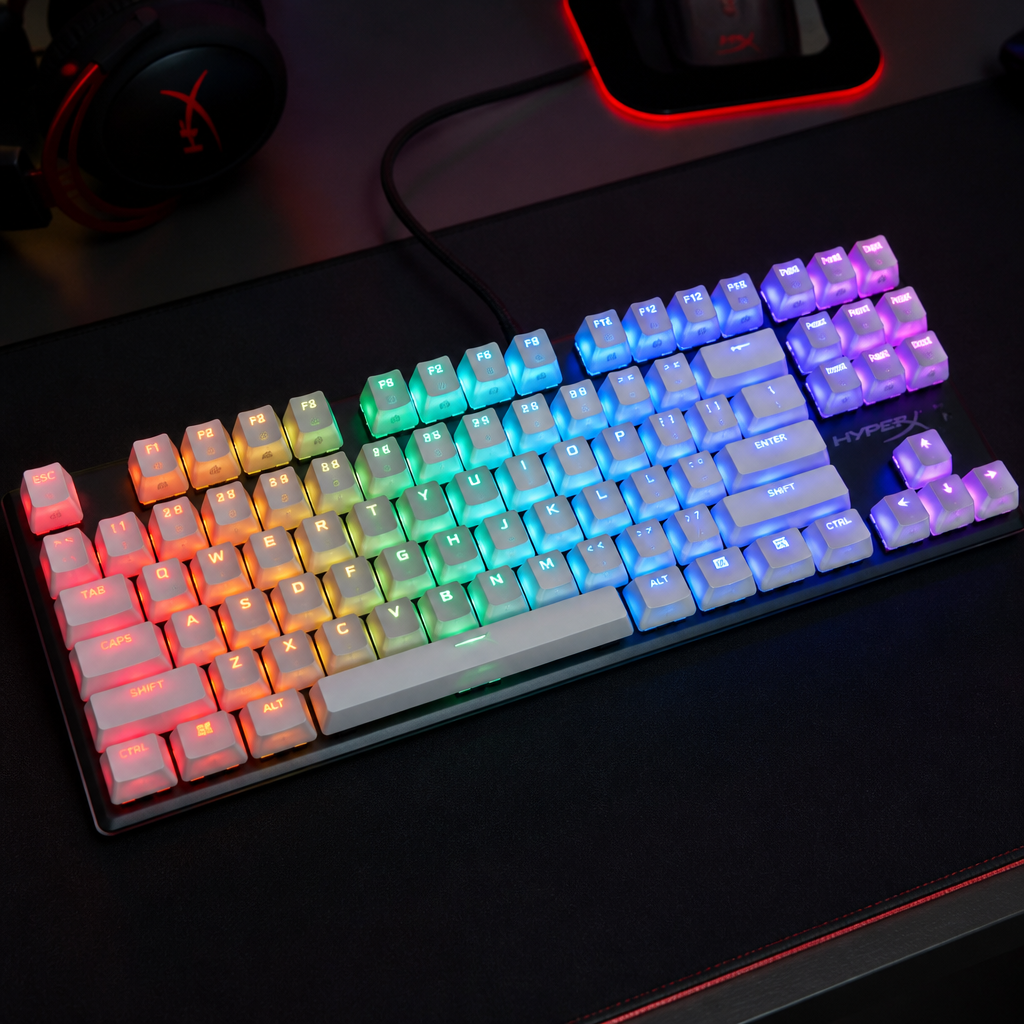
What are jelly keycaps?
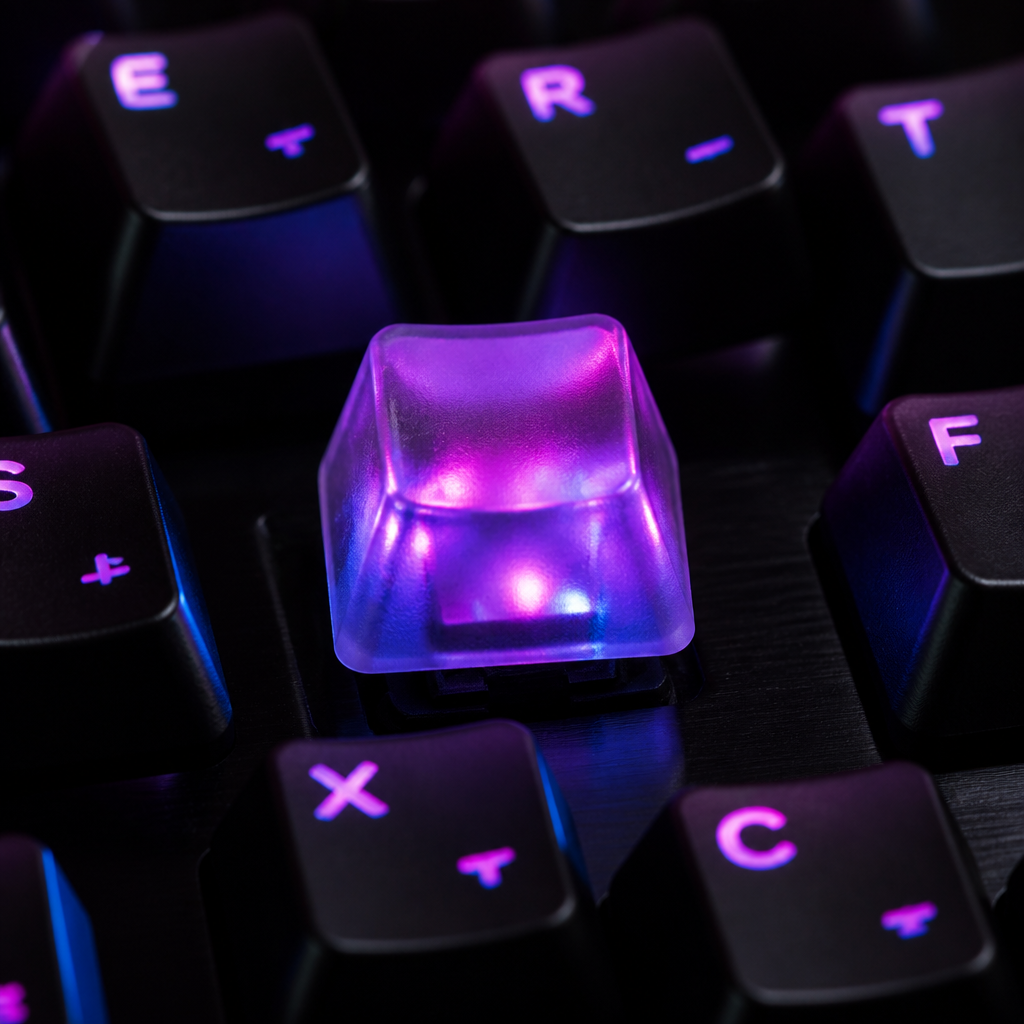
Jelly keycaps take the concept of light transmission to the extreme. These keycaps are made from completely translucent or transparent material, such as polycarbonate (PC) or clear ABS, allowing the maximum amount of RGB light to pass through the entire keycap body. Where a shine-through cap might only illuminate the legend, a jelly keycap creates an intense, all-encompassing glow, making the entire key appear to be made of light.
However, this striking visual comes with trade-offs. The transparent material is more susceptible to visible scratches, fingerprints, and yellowing from UV exposure over time. From a practical standpoint, the legends are often difficult to read in well-lit conditions due to the lack of contrast. They represent a choice of form over function, creating an unmatched RGB spectacle at the cost of durability and daily usability.
What are artisan keycaps?
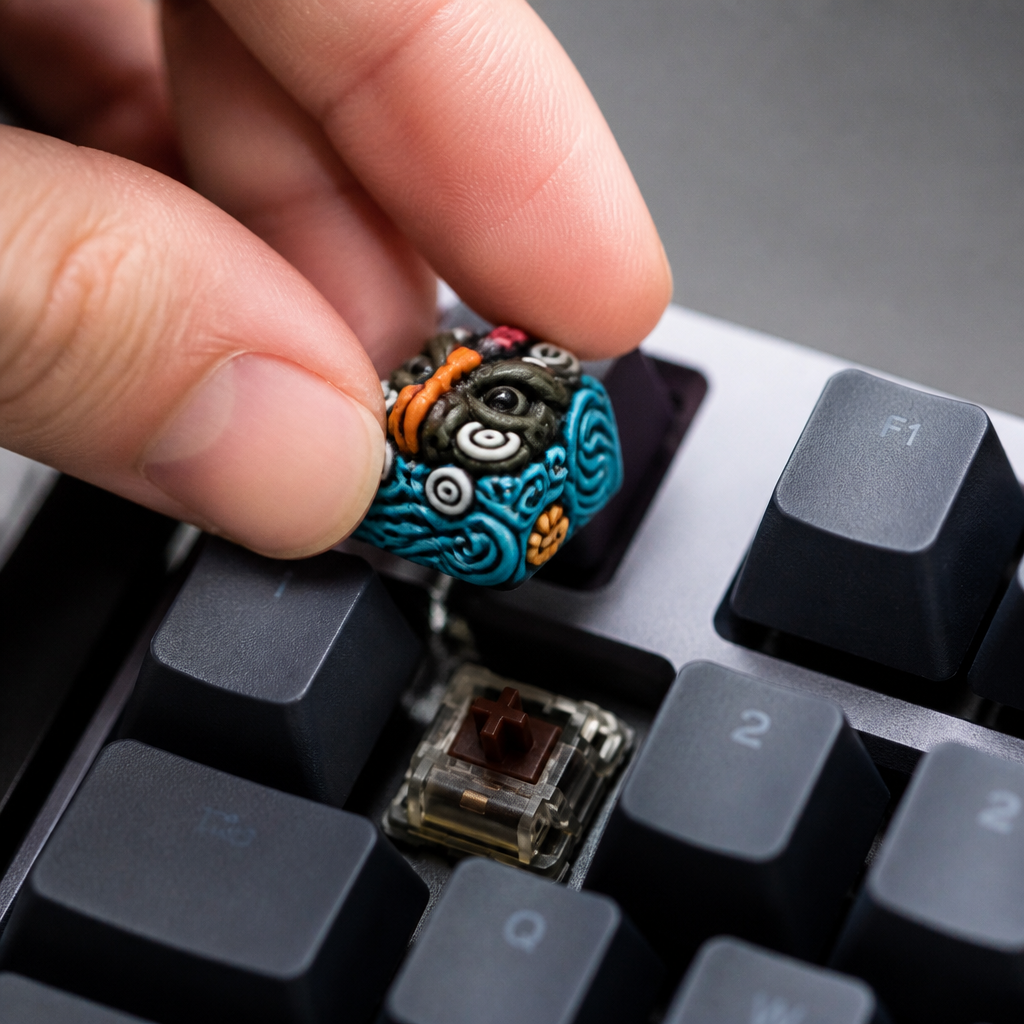
Artisan keycaps are unique, handcrafted works of art that also function as keycaps. Created in small batches by independent artists, these caps feature intricate sculptures, detailed color work, and a wide array of materials, most commonly hand-poured epoxy resin. Each one is a unique piece, valued for its creativity and rarity.
The production process is labor-intensive, often involving custom silicone molds, hand-painting, and the embedding of small objects to create complex, multi-layered designs. Because of their limited availability and high demand, they are often sold via raffles. Prices for a single keycap can range from $40 to over $500, with rare pieces fetching thousands on secondary markets. _Due to their unique shapes, artisan keycaps are best placed on less-frequently used keys, like the Escape key, to avoid interfering with typing._ They represent the ultimate form of keyboard personalization, allowing enthusiasts to adorn their boards with tiny, collectible sculptures.
What are the best keycaps?
So, what truly are the best keycaps? This is a subjective question, as the ideal choice depends entirely on personal priorities. There is no single “best” set for everyone; instead, the perfect keycaps are the ones that best match your preferences for durability, aesthetics, sound, feel, and budget.
To find the right set for you, consider the following factors:
- Durability and Feel: For maximum longevity and a textured feel that resists shine, thick PBT keycaps are the top choice. Dye-sublimated PBT sets from brands like ePBT or Keyreative offer fantastic durability.
- Aesthetics and Color: If vibrant colors and perfectly crisp legends are your priority, high-end double-shot ABS from a manufacturer like GMK is widely considered the gold standard, despite its tendency to shine over time.
- Sound Profile: The material, thickness, and profile all affect sound. Thick PBT in a Cherry or MT3 profile often produces a deep “thock,” while thinner ABS in an SA or OEM profile tends to create a higher-pitched “clack.”
- Typing Profile: Your comfort is paramount. OEM is familiar, Cherry offers a popular sculpted feel, SA is tall and retro, and DSA is flat and uniform. Trying different profiles is key to finding what you like.
- Budget: Excellent options exist at all price points. Akko and Drop offer high-quality sets at a mid-range price, while brands like HyperX provide great value for those focused on RGB lighting.
“There’s no universal ‘best’—I recommend users start with affordable PBT sets to understand their preferences before investing in premium options. The $50-$70 range offers 90% of the quality at 40% of the cost of ultra-premium sets.” – Taeha Types, Professional Keyboard Builder
Ultimately, the journey to finding the “best” keycaps is a personal exploration. Starting with an affordable, high-quality set is a great way to discover what you value most before investing in a premium, endgame set.
FAQ
Q1: What is the primary difference between ABS and PBT keycaps?
A1: The main difference is in their material properties and durability. ABS (Acrylonitrile Butadiene Styrene) keycaps are known for vibrant colors and a smooth feel but tend to develop a shiny, greasy appearance over 6-12 months of use. PBT (Polybutylene Terephthalate) keycaps are more durable, resist shine, and retain their textured surface for 3-5+ years.
Q2: How do double-shot keycaps differ from dye-sublimated keycaps in terms of legend durability?
A2: Double-shot keycaps offer the highest possible legend durability because their legends are physically molded from a second color of plastic, making them a permanent part of the keycap structure that will never fade. Dye-sublimated keycaps infuse dye into the plastic surface, making them highly durable and resistant to fading, but they are not as indestructible as double-shot legends.
Q3: What are the main advantages of OEM profile keycaps, and why are they so common?
A3: OEM profile keycaps feature a comfortable, sculpted design with varying heights across rows, creating a familiar sloped feel. They are common because they are the standard on approximately 70% of pre-built mechanical keyboards, making them an accessible, intuitive, and affordable choice for most users.
Q4: What makes artisan keycaps unique, and why are they often expensive?
A4: Artisan keycaps are unique because they are handcrafted, custom-designed art pieces created in small batches by independent artists. They are expensive due to the labor-intensive artistic process, specialized materials, and extremely limited quantities, which drives high demand and collector value.
Q5: What factors should I consider when trying to find the “best” keycaps for my keyboard?
A5: The “best” keycaps depend on your personal priorities. You should consider durability (PBT vs. ABS), aesthetics (color vibrancy and legend clarity), budget, desired sound profile (“thocky” vs. “clacky”), and typing feel (sculpted vs. uniform profile). It is often recommended to start with affordable sets to discover your preferences.

Hi, I’m Alex Morgan.
Welcome to my blog! As a dedicated mechanical keyboard enthusiast, I’m passionate about exploring everything from custom builds to the finest details of switches and keycaps. My goal is to break down specs, sound profiles, and ergonomics to help you find the absolute best keyboard for your setup. Whether you’re a gamer, programmer, or desk setup fanatic, I’m here to share honest reviews and practical recommendations.